
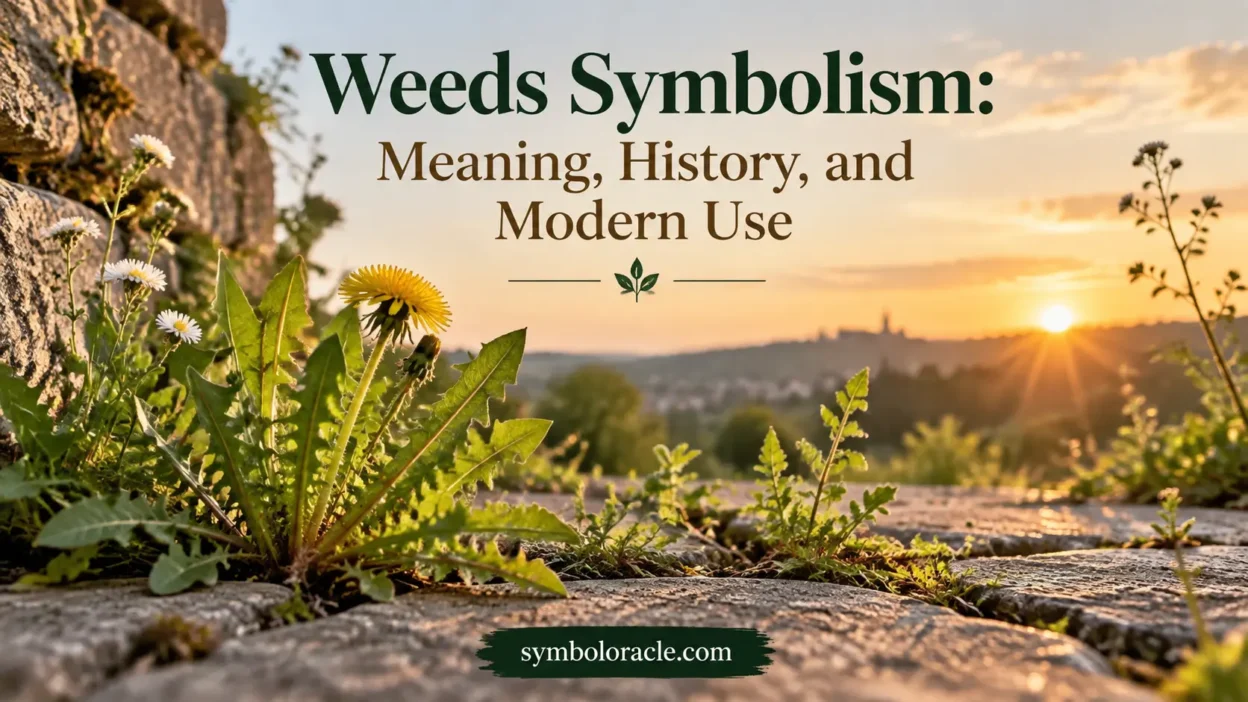
Weeds are often seen as unwanted plants growing in gardens, sidewalks, fields, and empty spaces, but their meaning goes beyond simple gardening. Weeds symbolism reflects ideas of survival, adaptability, persistence, and the ability to grow in difficult conditions. In modern American culture, weeds can represent both unwanted challenges and the strength found in overcoming them.
Unlike carefully cultivated flowers, weeds grow without human planning. Their presence often reminds people of nature’s ability to continue despite obstacles. A small plant breaking through concrete or thriving in poor soil can become a symbol of endurance and unexpected beauty.
The meaning of weeds has changed over time. Some traditions viewed certain wild plants as valuable medicines, food sources, or spiritual signs, while modern societies often associate them with neglect or disorder. Understanding these different views helps explain why weeds can carry both positive and negative meanings.
Quick Answer
Weeds symbolism commonly represents resilience, survival, and adaptability in modern American culture, especially when connected to overcoming challenges and growing in difficult conditions. Historically, weeds have also represented natural healing, independence, and the relationship between humans and the wild landscape.
TL;DR
- Weeds symbolize survival and natural resilience.
- Wild plants carried healing meanings in older traditions.
- Americans often connect weeds with persistence.
- Some weeds represent neglect or unwanted growth.
- Modern art uses weeds for freedom and renewal.
- Weed symbolism changes across cultures and contexts.
What Weeds Represent in Modern American Culture
In the United States, weeds often represent the ability to survive without ideal conditions. A plant growing between cracks in a sidewalk or appearing after a storm can symbolize determination and strength.
Many people connect weeds with personal experiences. Someone rebuilding their life after hardship may relate to a weed because it grows despite barriers. The image suggests that difficult surroundings do not always prevent growth.
At the same time, weeds also have a practical meaning. In gardening and agriculture, they are often viewed as competition because they take resources from desired plants. This creates a second interpretation: weeds can symbolize problems, disorder, or things that need control.
The meaning depends on the situation. A gardener removing weeds may see them as a problem, while an artist photographing wild plants may see them as signs of natural beauty.
| Context | Meaning in the USA | Common Associations | Notes |
|---|---|---|---|
| Personal growth | Resilience and survival | Strength, recovery | Often used as a life metaphor |
| Gardening | Unwanted growth | Maintenance, control | Practical rather than symbolic |
| Art and photography | Natural beauty | Freedom, simplicity | Highlights overlooked plants |
| Environmental movements | Wild nature | Biodiversity, balance | Challenges traditional views |
| Tattoos | Endurance and individuality | Independence, survival | Personal meaning varies |
The Physical Nature of Weeds and Why They Became Symbols
A weed is generally described as a plant growing where people do not want it. The term does not refer to one specific plant species. A flower growing in the wrong location can even be considered a weed.
Common examples in North America include dandelions, crabgrass, clover, thistle, and plantain. Many of these plants spread quickly, tolerate harsh conditions, and return after being removed.
These characteristics shaped their symbolic meanings. Plants that survive drought, poor soil, heavy foot traffic, or repeated cutting naturally became associated with endurance.
The fact that weeds are defined by human preference also creates an interesting cultural idea: a weed is not always a “bad” plant. Its label often depends on where it grows and how people view nature.
Ancient Roots and Early Symbolism of Wild Plants
Before modern lawn culture developed, many wild plants were valued for practical reasons. Communities used various plants for food, medicine, dyes, and traditional practices.
In many historical societies, plants that are now called weeds had important roles. Dandelions, for example, were used as edible greens and herbal remedies in different regions. Other wild plants provided resources when cultivated crops were unavailable.
Because these plants appeared naturally and survived without careful farming, they became connected with independence and self-sufficiency.
Ancient plant symbolism was often based on observation. People noticed which plants returned each year, which survived difficult seasons, and which helped humans or animals. These qualities shaped the meanings attached to wild growth.
Weeds in Folklore and Traditional Beliefs
Folklore often gave wild plants meanings connected to protection, healing, luck, and seasonal change. While individual beliefs varied widely, many cultures viewed certain plants as carrying special qualities because of their ability to grow in unusual places.
Some wild plants were considered signs of abundance because they appeared without planting. Others were treated cautiously because fast-growing plants could take over farmland.
This created a balance between respect and concern. Wild plants represented nature’s generosity, but they also reminded people that nature could not always be controlled.
In traditional stories, plants that survived difficult environments often became symbols of persistence. Their ability to return after destruction made them powerful examples of renewal.
Weeds Symbolism in the United States: Survival and Adaptability
American interpretations of weeds are strongly connected to ideas of independence and perseverance. The country’s cultural stories often include themes of rebuilding, adapting, and creating opportunities from difficult circumstances.
The image of a weed growing through a crack in pavement is commonly used as a metaphor for people who succeed despite obstacles. It suggests that progress does not always require perfect conditions.
Environmental perspectives have also changed how some Americans view weeds. Native and wild plants are increasingly discussed in connection with ecosystems, pollinators, and natural habitats. Some plants once removed from yards are now appreciated for supporting wildlife.
However, traditional lawn culture still often treats weeds as unwanted. Many homeowners associate them with poor maintenance or lack of care.
This contrast shows why weeds have complex symbolism in American life: they can represent both disorder and determination depending on the viewpoint.
The Emotional and Psychological Meaning of Weeds
The emotional meaning of weeds often comes from their ability to survive in places where growth seems unlikely. People may see a wild plant pushing through a harsh environment and connect it with personal strength, recovery, and patience.
For individuals who have experienced setbacks, weeds can represent the idea of continuing forward despite difficult circumstances. The symbol does not suggest that challenges disappear; instead, it reflects the ability to adapt while facing them.
Weeds can also represent overlooked beauty. Many people ignore small plants growing around them, but closer attention reveals unique shapes, textures, and colors. This idea connects weeds with appreciating things that are often dismissed or misunderstood.
From a psychological perspective, weeds can symbolize acceptance of imperfection. They remind people that growth does not always happen in planned or controlled ways. Sometimes unexpected paths create meaningful results.
Positive and Negative Meanings Associated With Weeds
Weeds carry both positive and negative interpretations because humans have different relationships with wild plants.
Positive meanings often include:
- Resilience after hardship
- Independence from outside control
- Natural survival
- Adaptability
- Renewal after damage
- Hidden beauty
Negative meanings often include:
- Neglect
- Disorder
- Uncontrolled growth
- Competition
- Unwanted change
For example, a person restoring a damaged garden may view weeds as a problem that prevents other plants from thriving. An environmental artist may view the same plants as examples of nature reclaiming space.
Neither interpretation is universal. The meaning depends on the situation, cultural background, and personal experience connected to the plant.
Religious and Spiritual Interpretations of Wild Plants
Wild plants appear in many religious and spiritual traditions, although their meanings differ widely. Some traditions associate plants with creation, healing, humility, and the connection between humans and nature.
In biblical traditions, plants and fields are often used as symbols to explain ideas about growth, care, and human responsibility. Wild growth can sometimes represent neglect when land is not cared for, while other passages emphasize the importance of nature as part of creation.
Many Indigenous traditions in North America have emphasized respect for wild plants because they provide food, medicine, and ecological balance. The focus is often less on whether a plant is “useful” or “useless” and more on understanding its role within nature.
Modern spiritual interpretations sometimes use weeds as symbols of personal transformation, especially the idea of finding strength in unexpected places.
Weeds Symbolism in Tattoos and Personal Expression
Weed-inspired tattoos often represent personal stories rather than a single shared meaning. People may choose images of dandelions, wildflowers, grasses, or other plants to express individuality and endurance.
Common tattoo meanings include:
- Surviving difficult experiences
- Growing beyond past limitations
- Freedom from expectations
- Connection with nature
- Appreciating imperfections
A dandelion tattoo, for example, may represent wishes, childhood memories, or the ability to spread and grow. A wild plant growing through cracks may symbolize overcoming obstacles.
Unlike traditional flower tattoos that often focus on beauty or romance, weed tattoos frequently highlight strength, simplicity, and unconventional identity.
The meaning usually depends on the person’s own story rather than a fixed cultural definition.
Weeds in Art, Photography, and Home Design
Artists often use weeds to challenge traditional ideas about beauty. A carefully photographed wild plant can transform something ordinary into a subject worthy of attention.
In photography, weeds may represent:
- The beauty of overlooked places
- Nature existing alongside human development
- The contrast between control and freedom
Modern design trends have also increased interest in natural, imperfect elements. Dried grasses, wildflower arrangements, and rustic botanical designs often use plants that were once considered undesirable.
This reflects a broader cultural shift toward appreciating natural textures and less controlled landscapes.
However, using weeds in design does not mean everyone views them positively. For some people, they still represent messiness or lack of maintenance.
Cross-Cultural Meanings of Weeds and Wild Plants
Different cultures have developed different relationships with wild plants. A plant considered a weed in one region may be valued elsewhere for food, medicine, or cultural traditions.
In parts of Europe and Asia, certain wild plants have long been used in traditional remedies and seasonal practices. In some communities, plants growing naturally are viewed as gifts from the environment rather than unwanted growth.
Japanese garden traditions, for example, often focus on balance and natural appearance rather than complete control of every plant. Some wild elements may be appreciated when they contribute to harmony.
Across cultures, one common theme appears: wild plants often represent the relationship between human control and nature’s independence.
The symbolic meaning changes depending on whether people see nature as something to manage, cooperate with, or learn from.
Modern Uses of Weed Symbolism in Culture and Media
Today, weed symbolism appears in many forms of creative expression. Writers, artists, designers, and brands sometimes use wild plants to communicate ideas about authenticity and independence.
In social media culture, images of plants growing in unusual places are often used with messages about personal growth and overcoming challenges.
Fashion and lifestyle trends also use botanical imagery to suggest:
- Natural living
- Simplicity
- Individuality
- Environmental awareness
Movies and books sometimes use wild plants as visual symbols. A neglected garden covered with weeds may represent abandonment, while a single plant surviving in harsh conditions may represent hope.
The meaning comes from the story surrounding the plant rather than the plant itself.
Common Misunderstandings About Weed Symbolism
One common misunderstanding is that all weeds represent negativity. This idea comes mainly from gardening and farming practices where weeds compete with crops or decorative plants.
Another misunderstanding is that every wild plant has a hidden spiritual meaning. While plants have symbolic roles in many cultures, interpretations vary and are often personal.
Some people also confuse weed symbolism with cannabis symbolism. These are separate topics. The word “weed” can refer broadly to unwanted plants, while cannabis has its own cultural, historical, and legal associations.
Understanding the difference helps prevent inaccurate interpretations.
How Weed Symbolism Has Changed Over Time
The meaning of weeds has changed as human relationships with nature have evolved.
In agricultural societies, weeds were often viewed mainly as competitors that threatened food production. In modern cities, they may represent neglected spaces or nature returning to human environments.
Environmental awareness has introduced new perspectives. Some people now recognize that certain plants labeled as weeds support insects, birds, and local ecosystems.
At the same time, traditional ideas about neat gardens and controlled landscapes remain influential.
The modern meaning of weeds exists between these two viewpoints: nature as something humans manage and nature as something humans share space with.
Weeds Symbolism in Everyday American Life
Americans encounter weed symbolism in ordinary places:
- Sidewalk cracks
- Backyard gardens
- Parks
- Rural fields
- Artwork
- Clothing designs
- Tattoos
A person may see weeds as a reminder to maintain their surroundings, while another may see them as proof that life continues despite difficulty.
Because weeds appear in everyday environments, their symbolism feels accessible. They do not require special knowledge or rare experiences to understand.
Their message often comes from a simple observation: growth can happen even in unexpected places.
Frequently Asked Questions About Weeds Symbolism
What does weeds symbolism mean?
Weeds symbolism commonly represents survival, adaptability, and the ability to grow despite challenges. It can also represent unwanted change, depending on whether the plant is viewed positively or negatively.
Are weeds considered a positive symbol?
Weeds can have positive meanings such as resilience, independence, and renewal. However, they may also symbolize neglect or disorder in gardening and agricultural contexts.
What do weed tattoos symbolize?
Weed tattoos often represent personal strength, individuality, survival, and connection with nature. The meaning usually depends on the wearer’s personal experiences.
Do weeds have religious meanings?
Some traditions connect wild plants with creation, healing, humility, and nature’s role in human life. Specific meanings vary between religions and cultures.
Why do weeds symbolize resilience?
Weeds often grow in difficult environments, including poor soil and damaged areas. Their ability to survive makes them a common metaphor for endurance.
How are weeds viewed in modern American culture?
In the United States, weeds are viewed in different ways. Some people see them as unwanted plants, while others appreciate them as examples of natural strength and ecological value.
Are weeds and wildflowers the same symbolically?
They can share meanings related to nature and growth, but wildflowers are usually associated with beauty and freedom, while weeds more often emphasize survival and adaptability.
Conclusion
Weeds represent a complex relationship between humans and nature. They can symbolize survival, independence, and renewal, while also representing disorder or unwanted growth in certain situations.
The meaning of weeds symbolism depends on the context in which people encounter these plants. A weed in a garden may be removed, while the same plant growing through concrete may become a symbol of persistence.
In modern American culture, weeds continue to represent an important idea: growth does not always happen under perfect conditions. Sometimes the ability to adapt is what creates the strongest form of survival.


