
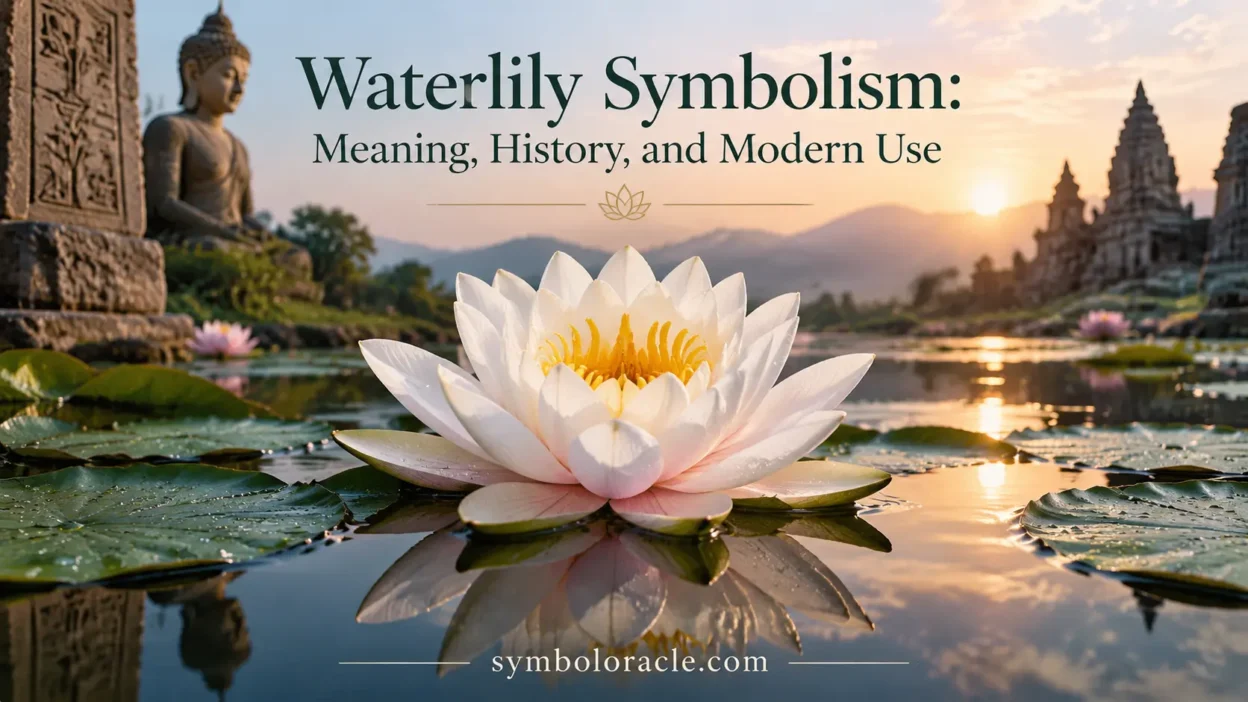
Waterlilies are admired for their ability to float peacefully on the surface of ponds and lakes while growing from muddy underwater environments. Waterlily symbolism often represents purity, renewal, emotional balance, and personal growth because the flower’s life cycle connects darkness beneath the water with beauty above it.
Across different cultures, waterlilies have been connected with spiritual traditions, art, gardens, and personal expression. In modern American culture, people often view the flower as a symbol of calmness, resilience, natural beauty, and transformation.
Quick Answer
Waterlily symbolism commonly represents peace, renewal, purity, and emotional growth in modern American culture, especially in gardens, tattoos, and personal design. Historically, waterlilies have also been associated with spiritual awakening, creation stories, and the connection between nature and human life.
TL;DR
- Waterlilies symbolize renewal and inner growth.
- Ancient cultures linked them with creation and spirituality.
- Americans often view them as peaceful nature symbols.
- Tattoos use waterlilies for transformation stories.
- Colors change the flower’s symbolic meaning.
- Modern designs connect waterlilies with calm living.
What a Waterlily Represents in Nature and Culture
A waterlily is an aquatic flowering plant that grows in still or slow-moving freshwater environments. Its round leaves float across the water while its flowers rise above the surface, creating a strong visual contrast between the hidden underwater world and visible beauty.
This natural pattern is one reason people connect waterlilies with ideas of overcoming challenges. The flower begins its growth below the water, yet it produces a bright bloom that can be seen from far away.
In the United States, waterlilies are commonly found in ornamental ponds, botanical gardens, backyard landscapes, and nature photography. Their appearance often creates feelings of relaxation and connection with the outdoors.
What It Commonly Means in the United States
Modern American interpretations of the waterlily usually focus on emotional peace, fresh beginnings, and the ability to grow through difficult experiences.
Unlike some symbols with fixed meanings, flowers often carry personal interpretations. A person may choose a waterlily because it reminds them of healing after a difficult period, a peaceful place, a meaningful relationship, or a connection with nature.
Common meanings include:
| Context | Meaning in the USA | Common Associations | Notes |
|---|---|---|---|
| Gardens | Peace and relaxation | Nature, calm spaces | Often used in water gardens |
| Tattoos | Growth and transformation | Personal journeys | Frequently chosen for life changes |
| Home Decor | Balance and beauty | Serenity, natural style | Popular in peaceful interiors |
| Art | Harmony and creativity | Water, reflection | Used in paintings and photography |
Ancient Roots and Early Symbolism
Waterlilies have been important symbols for thousands of years, especially in civilizations that depended on rivers and lakes.
In ancient Egypt, the blue waterlily was connected with creation, rebirth, and the cycle of life. Egyptians used the flower in artwork, religious imagery, and decorative objects. Its daily pattern of opening with sunlight and closing later became associated with renewal and the movement of time.
Ancient Egyptian art often showed waterlilies alongside people, gods, and scenes representing life and celebration. The flower’s connection with water also reflected the importance of the Nile River and the role of water in sustaining civilization.
Other cultures developed their own interpretations. In parts of Asia, water-related flowers became connected with spiritual reflection, purity, and awareness because they appeared clean and beautiful despite growing in muddy conditions.
Waterlily Symbolism in American Culture
In the United States, waterlilies are mainly understood through nature, gardening, art, and personal symbolism rather than one specific traditional meaning.
American gardeners often choose waterlilies because they create peaceful outdoor spaces. Backyard ponds with floating flowers are commonly designed as places for relaxation and reflection.
Artists and photographers also use waterlilies to represent quiet moments in nature. The flower’s reflection on still water can suggest balance, patience, and harmony.
The symbol appears in:
- botanical gardens
- landscape design
- paintings
- photography
- wellness spaces
- nature-inspired branding
- personal artwork
For many Americans, the waterlily represents a peaceful relationship with nature and the idea that beauty can appear in unexpected places.
Spiritual and Religious Connections Around the World
Waterlilies have appeared in several spiritual traditions, although meanings differ by culture and belief system.
In Hindu and Buddhist traditions, water flowers are often connected with spiritual growth and awareness. The idea of rising above difficult conditions has made aquatic flowers important symbols in religious art and meditation practices.
In ancient Egyptian traditions, the blue waterlily had connections with creation and rebirth. It appeared in religious and ceremonial artwork.
These meanings should not be combined into one universal definition. A waterlily may have spiritual importance in one tradition while simply representing beauty and nature in another.
Emotional and Psychological Meaning of the Waterlily
People often connect symbols with personal experiences, memories, and emotions. Waterlilies commonly create associations with calmness because of their connection with quiet water environments.
The flower can represent:
- emotional balance after hardship
- acceptance of personal change
- peaceful thinking
- patience during growth
- appreciation of natural beauty
The visual contrast between the flower and the water underneath can also remind people that visible success often comes after unseen effort.
For some individuals, a waterlily represents resilience because the flower grows in conditions that may appear difficult but still produces something beautiful.
Why Waterlilies Appear in Tattoos and Personal Style
Waterlily tattoos are popular because the flower can carry both visual appeal and personal meaning.
Many people choose waterlily designs to represent:
- a new chapter in life
- recovery from challenges
- personal strength
- connection with nature
- emotional peace
Tattoo meanings depend on the individual. A blue waterlily may suggest calmness, while a pink or white design may represent different personal ideas such as love, innocence, or renewal.
Common tattoo styles include:
- realistic botanical designs
- watercolor tattoos
- minimalist line art
- symbolic combinations with waves, moons, or butterflies
The meaning usually comes from the person’s story rather than the flower alone.
Color Meanings Associated With Waterlilies
Different waterlily colors create different emotional associations. These interpretations vary, but some meanings are commonly recognized in art and design.
White Waterlily
White waterlilies are often connected with purity, simplicity, and peace. They are frequently used in peaceful garden settings and nature artwork.
Blue Waterlily
Blue waterlilies are associated with calmness, wisdom, and spiritual reflection. Their historical connection with ancient Egypt makes them especially notable.
Pink Waterlily
Pink waterlilies are often linked with affection, beauty, and gentle emotions. They are popular in decorative gardens because of their soft appearance.
Red Waterlily
Red varieties may symbolize passion, energy, and strong emotions. Their meaning often depends on artistic or personal interpretation.
Waterlilies in Art, Design, and Modern Media
Waterlilies have remained popular subjects in visual art because they combine color, movement, and reflection.
Artists often use the flower to explore themes such as:
- peaceful landscapes
- changing seasons
- human connection with nature
- quiet moments of observation
In modern design, waterlily imagery appears in:
- home decorations
- wellness products
- jewelry patterns
- clothing designs
- digital artwork
The symbol works well because it communicates natural beauty without requiring a complicated explanation.
Common Misunderstandings About Waterlily Symbolism
One common misunderstanding is that waterlilies always represent spirituality. While spiritual meanings exist in some cultures, many people simply appreciate the flower for its beauty and connection with nature.
Another misunderstanding is that every waterlily color has a universal meaning. Color symbolism changes between cultures, communities, and personal experiences.
The flower also does not automatically represent overcoming hardship. That interpretation comes from the plant’s growth pattern and the way people relate it to their own experiences.
Understanding the symbol requires looking at both cultural history and personal meaning.
How Waterlily Meaning Has Changed Over Time
The meaning of waterlilies has developed as societies changed.
Ancient civilizations often connected the flower with creation, religious ideas, and natural cycles. Later, artists used it to explore beauty and peaceful landscapes.
Today, many people view waterlilies through a personal and environmental perspective. The flower represents relaxation, connection with nature, and appreciation for quiet moments.
Modern interpretations are less focused on one traditional meaning and more connected with individual experiences.
Waterlily Symbolism in Modern American Life
Today, waterlilies appear in many parts of American culture. They are especially common among people interested in gardening, outdoor spaces, art, and nature-based lifestyles.
The flower can represent:
- peaceful living
- environmental appreciation
- personal renewal
- emotional harmony
- natural beauty
Many people choose waterlily imagery because it creates a feeling of calm rather than because of a specific cultural rule.
Frequently Asked Questions About Waterlily Symbolism
What does a waterlily symbolize?
A waterlily commonly symbolizes peace, renewal, purity, and personal growth. Its connection with water and blooming above the surface has inspired meanings related to transformation and balance.
What does a waterlily tattoo mean?
A waterlily tattoo often represents personal growth, healing, or a meaningful life change. The exact meaning depends on the person’s experience and design choices.
Are waterlilies a religious symbol?
Waterlilies have religious connections in some cultures, including ancient Egyptian and Asian traditions. However, many people today use them simply as symbols of nature and beauty.
What does a white waterlily symbolize?
A white waterlily is often associated with peace, purity, and simplicity. In modern design, it is commonly used to create a calm and elegant feeling.
Why are waterlilies connected with renewal?
Waterlilies are connected with renewal because their flowers rise from underwater environments and follow natural cycles of opening and closing. This pattern has inspired ideas about change and fresh beginnings.
Do waterlilies have different meanings in different cultures?
Yes. Different societies have interpreted waterlilies in their own ways. Some connect them with spirituality, while others focus on beauty, nature, or emotional symbolism.
Conclusion
Waterlilies represent a connection between hidden growth and visible beauty. Their journey from underwater roots to floating flowers has made them symbols of renewal, balance, and appreciation for nature.
In modern America, waterlily symbolism is often understood as a reminder of peace, personal growth, and the ability to create beauty through change. Whether used in gardens, artwork, tattoos, or personal spaces, the waterlily continues to represent calmness and natural harmony.


