
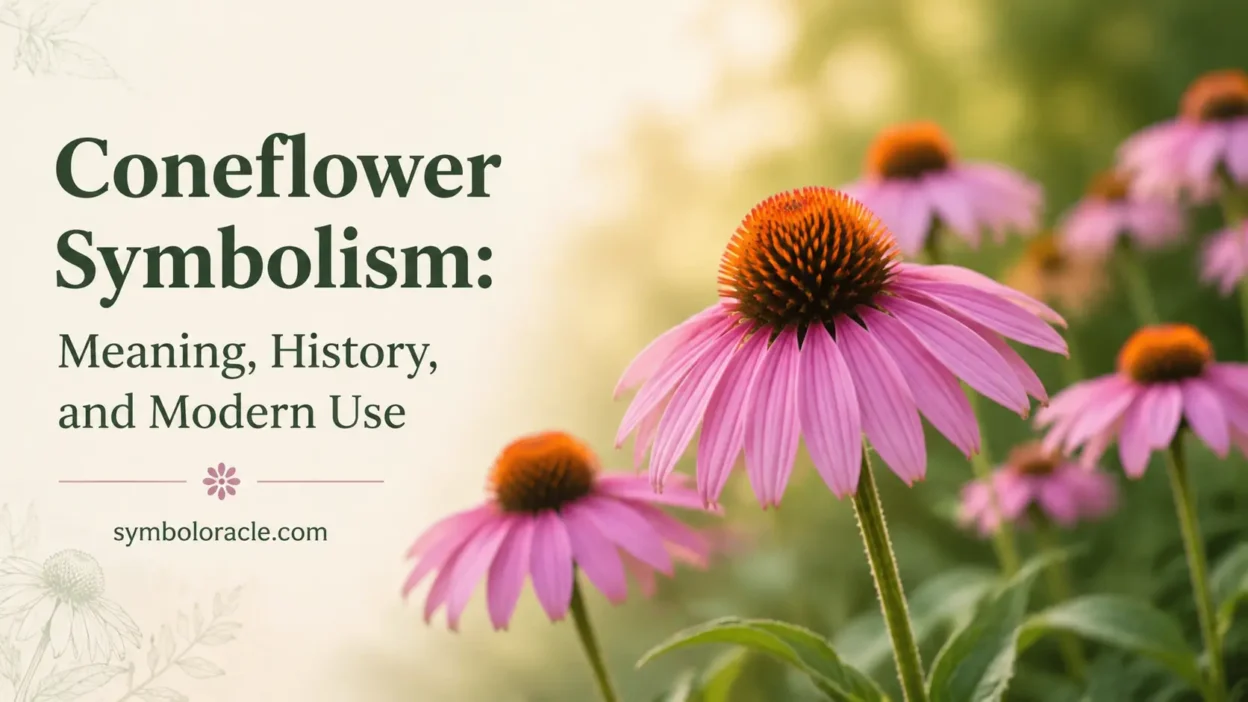
Flowers often carry meanings that go beyond their appearance. A bloom’s color, shape, and connection to the natural world can influence how people understand it emotionally and culturally. Coneflower symbolism is especially connected with strength, resilience, healing, and appreciation because of the plant’s ability to thrive in challenging environments and its long relationship with North American landscapes.
Known scientifically as Echinacea, the coneflower is a familiar sight in American gardens, prairies, and pollinator habitats. Its raised cone-shaped center and colorful petals make it easy to recognize, but its symbolism comes from more than its beauty. Indigenous knowledge, traditional herbal practices, gardening culture, and modern floral design have all shaped the way people view this flower today.
In the United States, coneflowers are often associated with endurance, natural beauty, and a connection to the land. They appear in gardens, bouquets, tattoos, artwork, and conservation projects, where they represent ideas of renewal and balance.
Quick Answer
Coneflower symbolism commonly represents strength, resilience, healing, and natural beauty in modern American culture. Historically, the flower has been connected with traditional healing practices, Native American plant knowledge, and the endurance of native landscapes.
TL;DR
- Coneflowers symbolize strength, healing, and resilience.
- Native North American traditions shaped its cultural meaning.
- Purple varieties often represent admiration and beauty.
- Americans use coneflowers in gardens and conservation.
- Tattoos often express growth and personal endurance.
- The flower remains linked with nature and renewal.
What the Coneflower Looks Like and Where It Appears
Coneflowers are flowering plants recognized by their long petals surrounding a raised, cone-shaped center. The most familiar variety is the purple coneflower, which has pinkish-purple petals and a spiky orange-brown center. However, modern gardens also feature white, yellow, orange, and red varieties.
The flower belongs to the daisy family and is native to parts of North America. Wild coneflowers commonly grow in prairies, open woodlands, and sunny fields. Their ability to survive heat, drought, and changing conditions contributes to their association with persistence.
In American gardening, coneflowers are valued because they attract butterflies, bees, and birds. This connection with wildlife adds another layer to their symbolism, linking the flower with environmental awareness and harmony with nature.
What It Commonly Means in the United States
In contemporary American culture, coneflowers are most commonly associated with resilience and strength. Their sturdy stems and ability to return year after year make them a natural symbol of endurance.
Many gardeners see coneflowers as reminders that beauty can exist alongside difficulty. A plant that survives harsh weather and continues blooming represents patience, adaptation, and recovery.
The flower also symbolizes healing because of its long connection with traditional medicinal use. Although modern scientific views on herbal remedies are more complex, the historical association between echinacea and wellness continues to influence its symbolic meaning.
| Context | Meaning in the USA | Common Associations | Notes |
|---|---|---|---|
| Gardens | Resilience and growth | Native plants, endurance | Popular in sustainable landscaping |
| Flower arrangements | Appreciation and admiration | Friendship, encouragement | Used for meaningful gifts |
| Tattoos | Personal strength | Recovery, transformation | Often chosen after life changes |
| Conservation | Connection to nature | Pollinators, ecosystems | Represents environmental care |
Ancient Roots and Early Symbolism
Coneflower symbolism developed from the plant’s long presence in North American ecosystems. Before it became a popular garden flower, coneflowers were part of native landscapes where many Indigenous communities recognized and used native plants for practical purposes.
Several Native American groups used plants from the Echinacea genus in traditional practices. The flower’s connection with wellness and survival influenced later interpretations of the plant as a symbol of healing and protection.
It is important to recognize that Indigenous plant knowledge includes many different traditions and practices rather than one single interpretation. The symbolic meaning of coneflower developed through relationships between communities, landscapes, and plants over generations.
Native American Connections and Cultural Respect
Coneflowers hold an important place in discussions about North American plant heritage because they are native species. Their presence reflects the ecological knowledge developed by Indigenous communities who understood the uses and roles of local plants.
The flower is sometimes described as a symbol of connection between people and the natural world. This interpretation comes from the broader cultural importance of native plants as sources of food, medicine, materials, and environmental knowledge.
Modern uses of coneflowers should avoid reducing Indigenous traditions to simple symbolism. Respectful appreciation recognizes that these plants have real cultural and ecological histories beyond decorative meaning.
Healing and Wellness Associations
One of the strongest symbolic connections of the coneflower is healing. The relationship comes partly from echinacea’s historic use in traditional herbal practices.
Today, many people associate coneflowers with recovery, self-care, and emotional renewal. A bouquet containing coneflowers may communicate encouragement during difficult moments or appreciation for someone’s strength.
The healing symbolism is usually emotional or cultural rather than a guarantee of medical effects. The flower represents the human desire for restoration and the ability to move forward after challenges.
Why Coneflowers Represent Strength and Resilience
Coneflowers grow in environments where conditions can change quickly. Their ability to handle heat, dry periods, and seasonal changes has made them a natural example of perseverance.
This connection appears frequently in American gardening culture. A person planting coneflowers may value not only their appearance but also what the plant represents: stability, survival, and renewal.
For many people, the flower becomes a reminder that progress does not require perfect conditions. Growth can happen even when circumstances are difficult.
Purple Coneflower Meaning and Color Symbolism
The purple coneflower is the most recognized variety and carries additional meaning because of its color. Purple is often associated with creativity, admiration, dignity, and individuality in American color symbolism.
When combined with the flower’s natural associations, purple coneflowers can represent appreciation, respect, and personal strength. They are often chosen for gardens and arrangements because they balance a feeling of elegance with a connection to nature.
Different colors may create slightly different impressions:
- White coneflowers may suggest purity and simplicity.
- Yellow varieties may represent happiness and optimism.
- Orange and red varieties may communicate energy and warmth.
Coneflower Symbolism in American Gardens
American gardening has played a major role in keeping coneflower symbolism alive. Native plant gardening has become increasingly popular as people seek landscapes that support local ecosystems.
Coneflowers are especially appreciated because they provide food sources for pollinators and maintain beauty without requiring excessive care. This has connected the flower with sustainability and responsible environmental choices.
In residential gardens, coneflowers often represent a balance between human creativity and natural processes. They show how cultivated spaces can still support wildlife.
Coneflowers in Tattoos and Personal Identity
Coneflower tattoos are often chosen by people who want a floral design with meanings related to strength and personal growth.
A person may choose a coneflower tattoo after overcoming hardship, starting a new chapter, or celebrating a connection with nature. The design can represent resilience without relying on dramatic imagery.
Because the flower has a distinctly North American identity, some people also use it as a symbol of connection to place, family memories, or appreciation for native landscapes.
Coneflowers in Weddings, Gifts, and Decor
Although roses and lilies are more traditional wedding flowers, coneflowers have gained popularity in rustic and outdoor wedding designs. Their natural appearance fits themes focused on gardens, countryside settings, and environmental awareness.
As gifts, coneflowers can communicate encouragement, gratitude, and admiration. They are especially fitting when someone wants to express support rather than romance.
In home decor, coneflower images often create feelings of warmth, simplicity, and connection with the outdoors.
Cross-Cultural Views of Flower Symbolism
Flower symbolism changes between cultures, and coneflowers do not carry the same long-established meanings worldwide as some older flowers such as roses or lotus blossoms.
Because coneflowers are native to North America, their strongest cultural associations developed there. Outside the United States, they are often appreciated mainly as attractive garden plants rather than symbols with specific traditional meanings.
This difference shows how symbols are shaped by geography, history, and human relationships with local environments.
Emotional and Psychological Meaning of Coneflowers
People often connect flowers with emotions, memories, and personal experiences. Coneflowers commonly create associations with calmness, optimism, and perseverance.
Their open petals and upright growth pattern can suggest confidence and openness. Their seasonal return can remind people of cycles of change and renewal.
In a psychological sense, natural symbols like coneflowers often help people express feelings that are difficult to communicate directly. A flower can represent encouragement, remembrance, or hope in a simple visual form.
Modern Uses in Art, Media, and Digital Culture
Coneflowers appear in modern illustrations, botanical artwork, branding, and online nature communities. Their recognizable shape makes them popular in designs connected with gardening, wellness, and environmental causes.
On social media, images of coneflowers are often shared alongside messages about growth, outdoor living, and appreciation for natural beauty.
The flower’s modern popularity reflects a wider interest in native plants and sustainable lifestyles across the United States.
Common Misunderstandings About Coneflower Symbolism
One common misunderstanding is that every flower has one fixed meaning. In reality, symbolism changes depending on culture, personal experience, and context.
Another misconception is that coneflowers are only symbols of healing because of echinacea’s history. While wellness is an important association, the flower also represents resilience, nature, and ecological connection.
Modern interpretations should consider both cultural history and personal meaning rather than treating symbolism as a universal rule.
How Coneflower Meaning Has Changed Over Time
Coneflower symbolism has evolved from practical relationships with native plants into a broader cultural symbol of strength and environmental awareness.
Earlier meanings were closely connected with plant knowledge and traditional uses. Today, many Americans encounter coneflowers through gardens, landscaping, floral design, and personal artwork.
The flower’s meaning has expanded while remaining connected to its original identity as a hardy native plant.
Frequently Asked Questions
What does coneflower symbolize?
Coneflowers commonly symbolize resilience, healing, strength, and appreciation. In modern American culture, they are often connected with personal growth and a strong relationship with nature.
Are coneflowers a symbol of healing?
Yes, coneflowers are often associated with healing because of their historical connection with traditional herbal practices. Today, the symbolism usually represents emotional recovery, wellness, and encouragement.
What does a coneflower tattoo mean?
A coneflower tattoo often represents overcoming challenges, personal growth, and connection with nature. The meaning can also reflect someone’s appreciation for native plants or a specific life experience.
Do coneflowers have spiritual meaning?
Some people view coneflowers as spiritual symbols of renewal and balance with nature. However, meanings vary depending on personal beliefs and cultural background.
Why are coneflowers important in American culture?
Coneflowers are important because they are native North American plants that support pollinators and represent the relationship between people and local ecosystems.
What do purple coneflowers symbolize?
Purple coneflowers often symbolize admiration, strength, creativity, and natural beauty. Their color adds additional emotional associations to the flower’s broader meaning.
Conclusion
Coneflower symbolism represents resilience, healing, natural beauty, and the ability to continue growing through changing conditions. Its meaning comes from the flower’s native roots, traditional plant knowledge, and its modern role in American gardens and personal expression.
Today, coneflowers remain meaningful because they connect everyday life with nature, sustainability, and personal strength. Whether seen in a garden, artwork, or tattoo, the flower represents a simple reminder of endurance and renewal.