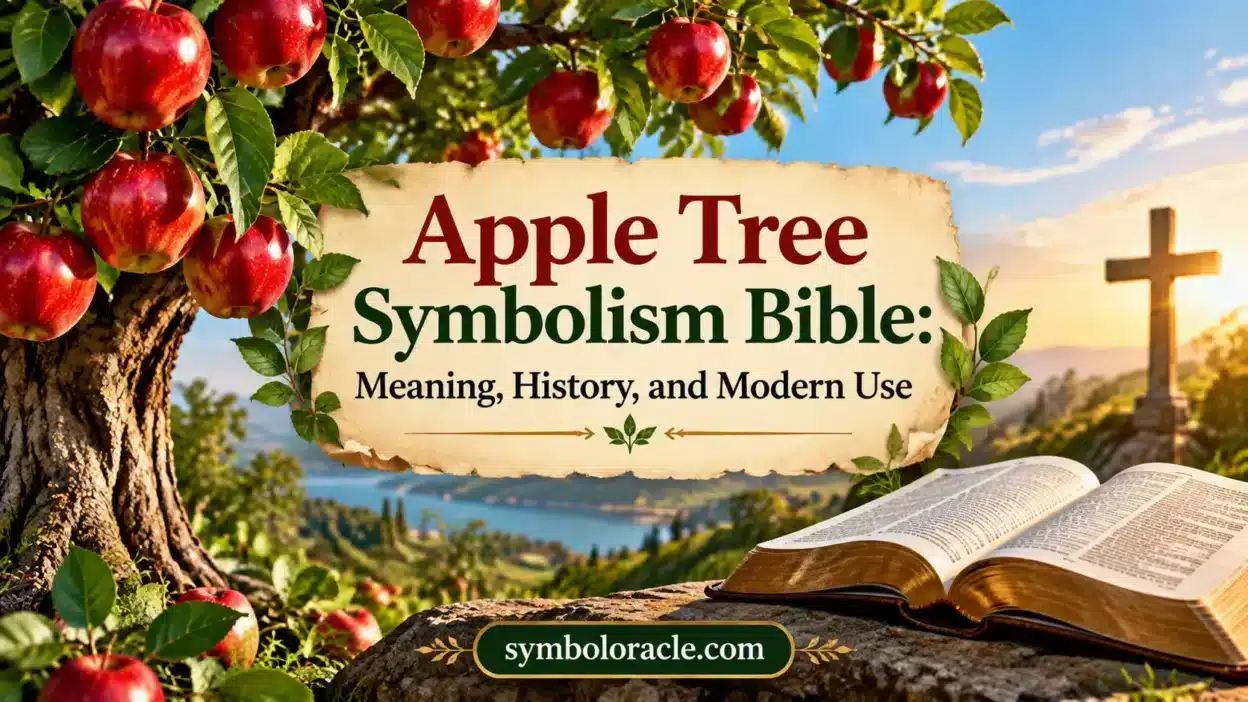
An apple tree carries meanings connected to knowledge, temptation, growth, abundance, and spiritual reflection. The apple tree symbolism Bible is often discussed because of the connection between the apple and the Garden of Eden story, although the Bible itself does not identify the forbidden fruit as an apple. Over time, artists, writers, and religious traditions linked the apple tree with ideas about human choices, wisdom, and moral understanding.
The image of an apple tree appears in many settings, from religious artwork and literature to gardens, family traditions, and modern designs. Its symbolism depends on the cultural or personal context. For some people, it represents learning and wisdom; for others, it reflects temptation, renewal, family roots, or the cycle of life.
Understanding this symbol requires looking beyond popular assumptions. The apple tree’s meaning developed through biblical interpretation, artistic traditions, agriculture, and everyday human experiences with nature.
Quick Answer
Apple tree symbolism Bible commonly represents knowledge, choice, growth, and spiritual lessons in modern American interpretations. Historically, the apple became connected with the Garden of Eden story through religious art and tradition, while the tree itself also symbolizes life, abundance, and renewal.
TL;DR
- Apple trees symbolize knowledge, growth, and human choices.
- Biblical connections come from later Christian artistic traditions.
- The fruit represents temptation, wisdom, and moral decisions.
- Americans often associate apple trees with learning and family.
- Modern uses include tattoos, gardens, and personal symbolism.
What the Apple Tree Represents in Biblical Symbolism
The apple tree’s strongest religious association comes from the story of Adam and Eve in Genesis. The Bible describes a tree bearing forbidden fruit in the Garden of Eden, but it does not name the fruit as an apple. The identification of the fruit as an apple developed later through European art, language connections, and cultural interpretation.
In biblical symbolism, the tree is often connected with:
- knowledge and awareness
- human responsibility
- temptation and decision-making
- consequences of choices
- spiritual growth
The tree itself is important because it represents a boundary between innocence and experience. In the Eden story, eating the forbidden fruit changes humanity’s relationship with knowledge, morality, and responsibility.
The apple became a visual symbol because artists needed a recognizable image to represent this complex theological idea. Over centuries, paintings and religious illustrations helped establish the apple as a familiar representation of the forbidden fruit.
Why the Apple Became Linked to the Garden of Eden
The connection between apples and Eden developed gradually rather than directly from biblical text. Several cultural factors influenced this association.
One reason involves language. In Latin, the word “malum” could refer both to an apple and to evil, creating a symbolic connection between the fruit and the concept of wrongdoing. Medieval and Renaissance artists found this association meaningful when creating religious imagery.
European artists also favored apples because they were common and recognizable fruits. A viewer could immediately understand the message behind an apple held by Adam or Eve.
Over time, repeated artistic representation made the apple the traditional image of the forbidden fruit in many Western cultures.
Biblical Meaning of Trees and Fruit
Although the Bible does not specifically describe an apple tree in Eden, trees and fruit appear throughout biblical writing as important symbols.
Trees often represent:
| Biblical Symbol | Meaning | Example Connection |
|---|---|---|
| Tree of Life | Eternal life and divine blessing | Garden of Eden |
| Fruit | Results, character, or actions | Spiritual outcomes |
| Roots | Stability and faithfulness | Personal foundation |
| Branches | Growth and connection | Community and belonging |
Fruit symbolism appears in many biblical passages. Fruit can represent the visible results of a person’s choices, beliefs, and actions.
Because trees grow slowly and produce something valuable, they often became symbols of patience, blessing, and spiritual development.
Apple Tree Symbolism in Christianity
Within Christian traditions, the apple tree is usually interpreted through themes of fall, redemption, and human transformation.
The apple can represent the Fall of Man because of its connection with Eden. It reminds believers of the moment when humanity moved from innocence into moral awareness.
However, Christian symbolism does not view the apple only negatively. The same symbol can also represent:
- the possibility of forgiveness
- spiritual learning
- the search for wisdom
- personal transformation
Many Christian artworks use fruit imagery to communicate complex ideas about human nature. The apple’s meaning depends on the message being presented.
For example, an apple near Adam and Eve may represent temptation, while an apple tree in a religious garden may suggest creation, life, and divine generosity.
The Apple Tree in American Culture
In the United States, apple trees carry meanings beyond religious symbolism. They are strongly connected with education, family life, farming, and national identity.
The apple became associated with teachers and classrooms because of the long-standing tradition of students giving apples to educators. This connection helped the apple become a symbol of learning, respect, and knowledge.
American interpretations of apple trees often include:
- education and wisdom
- hardworking rural communities
- family heritage
- seasonal traditions
- connection with nature
Apple orchards are also linked with autumn activities, harvest festivals, and family outings. For many Americans, an apple tree represents a simpler connection to land, seasons, and community traditions.
The symbol therefore combines biblical ideas with everyday cultural experiences.
Ancient Roots and Early Symbolism of the Apple Tree
Long before the apple became connected with Christian interpretations, fruit trees held important symbolic roles in many ancient cultures. Trees were often viewed as signs of fertility, renewal, and the connection between the natural world and human life.
In ancient societies, fruit-bearing trees represented survival and prosperity because they provided food and supported communities. A tree that produced fruit was not only useful but also represented abundance and continuation.
The apple tree gained special attention because apples were associated with beauty, health, and fertility in several European traditions. Stories from mythology and folklore often used fruit as a symbol of desire, knowledge, or transformation.
Although these traditions developed separately from biblical stories, they contributed to the broader cultural meanings later attached to apples.
The Apple Tree in Mythology and Folklore
Apple trees appear in many mythological traditions, especially in European stories. These meanings are not identical to biblical symbolism, but they influenced how people understood the fruit.
In Greek mythology, apples were connected with beauty and immortality. The famous golden apples of the Hesperides were guarded as valuable treasures associated with divine power and eternal life.
In Celtic and European folklore, apple trees were often linked with:
- fertility
- protection
- healing
- otherworldly knowledge
- seasonal change
These stories helped create a wider symbolic language around apples. The fruit could represent both attraction and danger, depending on the story.
This dual meaning is one reason the apple became such a strong cultural symbol. It could represent something desirable while also reminding people that choices have consequences.
Emotional and Psychological Meaning of the Apple Tree
People often connect trees with personal growth because trees develop slowly, create roots, and continue changing through seasons. The apple tree adds another layer because it produces something valuable after years of growth.
Emotionally, an apple tree may symbolize:
- personal development
- family connections
- patience
- nurturing relationships
- life experiences
A young apple tree can represent new beginnings and future possibilities. A mature apple tree may represent wisdom gained through time.
The image of a tree with roots and branches also connects with human identity. Roots can represent ancestry and belonging, while branches can suggest growth, exploration, and new generations.
For some people, an apple tree represents their connection to family history or memories of childhood places.
Apple Tree Symbolism in Dreams and Personal Interpretation
Dream interpretations vary widely, and there is no single universal meaning for seeing an apple tree in a dream. Personal experiences often influence what the symbol represents.
Common interpretations include:
| Context | Meaning in the USA | Common Associations | Notes |
|---|---|---|---|
| Blooming apple tree | New growth and opportunity | Spring, renewal, hope | Often viewed positively |
| Fruit-filled tree | Achievement and abundance | Success, rewards | Connected with harvest ideas |
| Old apple tree | Family history and wisdom | Memories, roots | May represent lasting connections |
| Broken or dying tree | Change or loss | Endings, transition | Depends on personal feelings |
A person who grew up near an orchard may interpret an apple tree differently from someone who connects it mainly with biblical stories.
Apple Tree Symbolism in Tattoos and Personal Style
Apple tree tattoos often combine several meanings into one image. The design can represent personal beliefs, family connections, life experiences, or spiritual ideas.
Common apple tree tattoo meanings include:
Growth and transformation:
The tree can represent personal development and lessons learned over time.
Family heritage:
Roots and branches may symbolize ancestors, children, or generations.
Knowledge and wisdom:
Because of the Eden association and educational connections, apple trees can represent learning.
Balance between temptation and choice:
Some designs include an apple alongside symbolic elements such as snakes, books, or religious imagery.
Tattoo meaning depends heavily on the person wearing it. A religious interpretation may focus on morality, while another person may see the tree as a reminder of resilience or family.
Apple Tree Symbolism in Home Decor and Design
Apple tree imagery appears in home decoration because it creates associations with warmth, nature, and comfort.
Common uses include:
- kitchen artwork
- farmhouse-style decorations
- seasonal designs
- garden themes
- family-centered spaces
In American homes, apple imagery often creates a connection with hospitality and tradition. An apple bowl, orchard painting, or tree illustration may suggest a welcoming environment.
Unlike some symbols with strong religious associations, apple tree designs are often used simply because they represent nature, harvest, and a peaceful lifestyle.
The Apple Tree as a Symbol of Education and Knowledge
One of the strongest modern American meanings of the apple is education.
The tradition of giving apples to teachers helped establish the fruit as a symbol of appreciation and learning. Over time, apples became connected with:
- schools
- teachers
- classrooms
- academic achievement
The apple tree expands this idea by representing the source of knowledge and growth. A tree full of apples can suggest a place where ideas develop and learning continues.
This connection makes the apple tree especially common in educational artwork, school decorations, and literacy-related designs.
Cross-Cultural Meanings of Apple Trees
Different cultures interpret apple trees through their own histories and traditions.
In some European traditions, apple trees are connected with fertility, love, and seasonal celebrations. In Christian cultures, the apple often carries associations with Eden and moral choices.
In East Asian cultures, apples may represent peace and good fortune because of language associations and cultural symbolism surrounding the fruit.
Across cultures, several themes appear repeatedly:
- life and renewal
- abundance
- knowledge
- beauty
- human choices
However, meanings are not identical everywhere. A symbol gains meaning from the stories and values of each community.
How Apple Tree Symbolism Appears in Modern Culture
Today, apple tree imagery continues to appear in many areas of American life. While its biblical connection remains familiar, modern interpretations often focus more on growth, family, nature, and personal identity.
People encounter apple tree symbolism in:
- artwork
- tattoos
- jewelry designs
- garden landscapes
- books and films
- seasonal decorations
- social media imagery
Modern audiences often separate the apple tree from its religious origins. A person may choose an apple tree design because it represents personal growth rather than the Garden of Eden story.
This flexibility allows the symbol to remain meaningful across different communities.
Apple Tree Symbolism in Literature and Popular Culture
Writers frequently use apple trees as visual symbols because they can represent both positive and complicated ideas.
In literature, an apple tree may suggest:
- childhood memories
- a connection to home
- hidden knowledge
- temptation
- change
- the passage of time
A tree standing through different seasons can represent a character’s development or a family’s history.
The apple tree is effective in storytelling because it combines ordinary experiences with larger human themes. A simple orchard scene can suggest comfort, while a single apple can introduce questions about decisions and consequences.
Positive and Negative Interpretations of the Apple Tree
The apple tree does not have one fixed meaning. Its interpretation changes depending on the situation.
Positive meanings often include:
- wisdom
- learning
- nourishment
- family
- growth
- abundance
More challenging meanings may include:
- temptation
- disobedience
- difficult choices
- the consequences of actions
The biblical connection creates this contrast. The apple can represent both the desire for knowledge and the risks that come with certain choices.
This balance is one reason the symbol remains interesting. It reflects the complexity of human experiences rather than a single simple idea.
Common Misunderstandings About Apple Tree Symbolism
One common misunderstanding is that the Bible directly states the forbidden fruit was an apple. The Genesis account describes a forbidden fruit but does not identify its type.
The apple connection developed through later traditions, especially European religious art and interpretation.
Another misunderstanding is that apple symbolism always has a religious meaning. In modern American culture, many apple tree images have secular meanings related to:
- education
- nature
- family
- agriculture
- personal growth
Understanding the difference between historical tradition and modern interpretation helps avoid oversimplifying the symbol.
How Apple Tree Meaning Has Changed Over Time
The meaning of the apple tree has evolved as societies changed.
Early agricultural communities viewed fruit trees as signs of survival and prosperity. Religious traditions later connected the apple with moral choices and spiritual lessons. Artists strengthened these associations through paintings and visual storytelling.
In modern America, the symbol has expanded again. Many people now associate apple trees with:
- learning
- childhood memories
- environmental appreciation
- family traditions
- personal development
The symbol moved from religious storytelling into a broader cultural image that can represent many aspects of human life.
Apple Tree Symbolism in Weddings, Family Traditions, and Identity
Apple trees can appear in celebrations because they represent continuity and growth.
In family settings, the tree often represents:
- generations growing together
- lasting relationships
- shared memories
- a strong foundation
Some people use tree imagery in wedding designs because branches and roots naturally suggest connection and a growing future.
For personal identity, an apple tree may represent someone’s values, such as commitment to family, appreciation for nature, or a desire to keep learning.
Modern Digital and Social Media Interpretations
Online, apple tree imagery is often used in ways that focus on visual appeal and personal expression.
Common themes include:
- cozy lifestyle content
- nature photography
- seasonal posts
- motivational designs
- educational messages
The symbol works well digitally because it communicates ideas quickly. A tree with fruit can suggest progress, while blossoms can suggest fresh beginnings.
However, online meanings can vary widely because individuals often personalize symbols according to their own experiences.
Frequently Asked Questions About Apple Tree Symbolism Bible
What does the apple tree symbolize in the Bible?
The apple tree is commonly associated with knowledge, temptation, and human choices because of its connection with the Garden of Eden tradition. The Bible does not specifically name the forbidden fruit as an apple, but later Christian art created this association.
Is the forbidden fruit in the Bible really an apple?
No, the biblical text does not identify the fruit as an apple. The apple became connected with the story through later cultural, artistic, and linguistic traditions.
What does an apple tree symbolize spiritually?
Spiritually, an apple tree may represent wisdom, growth, responsibility, and the results of personal choices. Different religious and personal traditions may interpret it differently.
What does an apple tree tattoo mean?
An apple tree tattoo can symbolize growth, family roots, knowledge, personal transformation, or spiritual beliefs. The meaning usually depends on the design and the person’s personal story.
Why is the apple associated with teachers and education?
The apple became associated with teachers because of the tradition of students giving apples as gifts. This helped create a cultural connection between apples, learning, and appreciation for educators.
Is apple tree symbolism always positive?
No. Apple tree symbolism can represent both positive and challenging ideas. It may suggest wisdom and growth, but it can also represent temptation, choices, and consequences.
What does an apple tree represent in American culture?
In the United States, apple trees commonly represent education, family traditions, agriculture, seasonal change, and connection with nature. Their biblical meaning is only one part of their broader cultural identity.
Conclusion
The apple tree symbolism Bible represents a combination of religious interpretation, cultural tradition, and personal meaning. Although the Bible does not identify the forbidden fruit as an apple, centuries of artwork and storytelling connected the fruit with knowledge, temptation, and human choices.
In modern American culture, apple trees carry wider meanings connected with education, family, growth, and renewal. Whether seen in religious artwork, gardens, tattoos, or everyday designs, the apple tree remains a symbol shaped by both history and individual experience.
Its lasting appeal comes from its ability to represent a simple truth: growth often comes through learning, choices, and the experiences that shape a person over time.