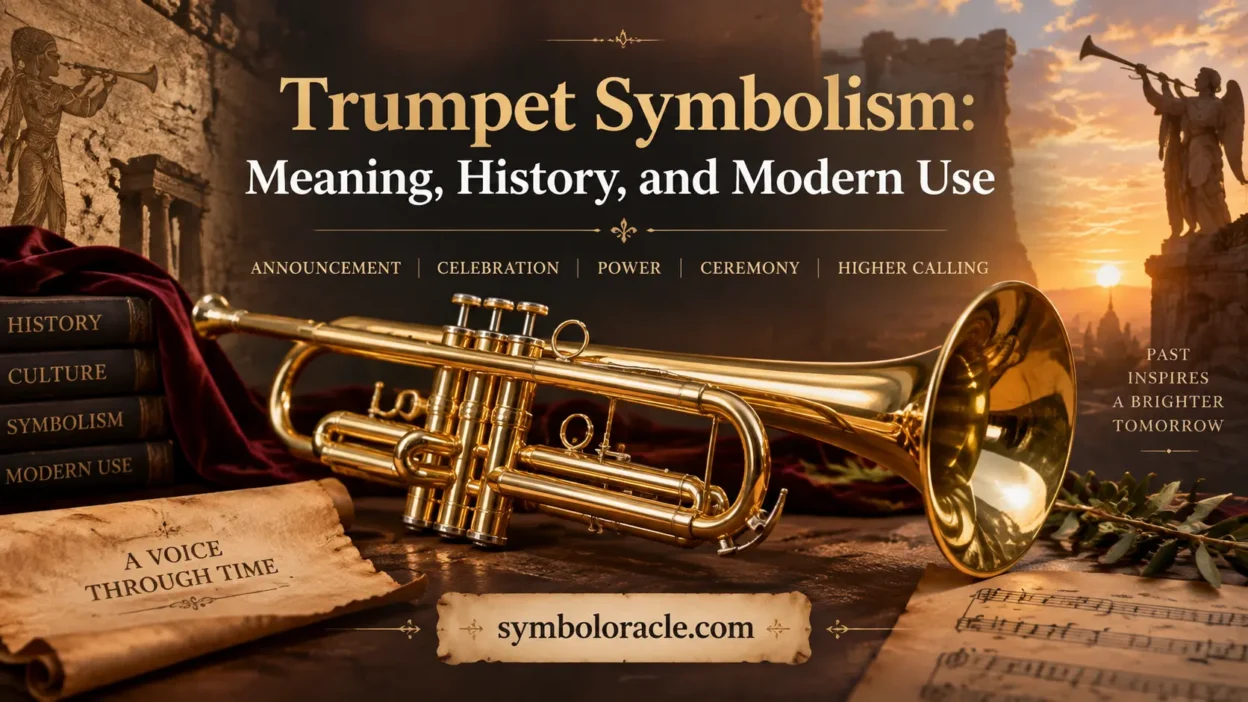
A trumpet is more than a musical instrument; it is a cultural object connected with announcements, celebrations, courage, and public expression. Trumpet symbolism often represents victory, attention, communication, and moments that call people together. From ancient ceremonies to modern concerts, the trumpet has remained a recognizable symbol of importance and emotional impact.
People encounter trumpet imagery in many places, including military traditions, religious ceremonies, sports events, jazz culture, artwork, and personal designs. Its loud and clear sound naturally connects it with messages that demand attention, which is why many cultures have viewed the trumpet as an instrument of announcement and influence.
In the United States, the trumpet carries associations with freedom, achievement, celebration, and artistic identity. It appears in patriotic events, marching bands, weddings, memorial services, and popular music. Understanding its symbolism reveals how a simple instrument became connected with some of society’s most meaningful moments.
Quick Answer
Trumpet symbolism commonly represents celebration, victory, communication, and important announcements in modern American culture, especially in music, ceremonies, and public events. Historically, trumpets were also associated with royal power, religious rituals, military signals, and moments of major change.
TL;DR
- Trumpets symbolize celebration, victory, and public announcements.
- Ancient societies used trumpets for ceremonies and warfare.
- Americans connect trumpets with jazz, patriotism, and achievement.
- Religious traditions often view trumpets as divine messages.
- Trumpet tattoos express confidence, creativity, and identity.
What a Trumpet Represents in Modern American Culture
In the United States, the trumpet is strongly connected with moments that bring people together. Its bright sound often signals excitement, success, or the beginning of something important.
At sporting events, trumpets and brass instruments create energy and encourage crowds to participate. At graduations, military ceremonies, and national celebrations, trumpet music often marks achievement and honor.
The instrument also represents individual expression. Jazz musicians, especially those who use trumpet as their primary voice, have helped shape the idea of the trumpet as a symbol of creativity, improvisation, and personal freedom.
Unlike quieter instruments, the trumpet naturally attracts attention. This quality gives it symbolic connections with confidence, leadership, and the courage to be heard.
Ancient Roots and Early Symbolism of Trumpets
Trumpets have existed for thousands of years in different forms. Early versions were often made from animal horns, shells, wood, or metal. They were not mainly used for entertainment but for communication across large spaces.
Ancient civilizations used trumpet-like instruments during ceremonies, battles, and royal events. Their loud sound allowed leaders to send messages to groups of people before modern communication systems existed.
In ancient Egypt, trumpets appeared in military and religious settings. Roman armies used brass instruments to organize troops and announce important events. These uses created lasting associations between trumpets and authority.
Because trumpets often announced the arrival of rulers, armies, or sacred occasions, many cultures began viewing them as symbols of power and importance.
Trumpet Symbolism in Religious Traditions
Trumpets hold significant meaning in several religious traditions, particularly within Judaism and Christianity.
In Jewish tradition, the shofar, a horn instrument made from a ram’s horn, is used during important religious observances. While different from a modern trumpet, it shares the idea of a sacred sound calling people toward reflection and remembrance.
Christian traditions often connect trumpets with divine announcements, especially through references in the Bible. Trumpet sounds are associated with angels, resurrection, judgment, and major spiritual events.
However, interpretations vary among different religious communities. Some view trumpet imagery literally, while others understand it as a metaphor for awakening, transformation, or a call to action.
The Role of Trumpets in American History and Public Life
Trumpets became deeply connected with American public traditions through military bands, parades, and ceremonial music.
Military buglers used trumpet-like instruments to communicate commands and mark important moments. Sounds such as military calls became associated with discipline, respect, and remembrance.
In American ceremonies, trumpets frequently appear during:
| Context | Meaning in the USA | Common Associations | Notes |
|---|---|---|---|
| Military events | Honor and duty | Courage, service, remembrance | Used in formal ceremonies |
| Sports events | Energy and excitement | Team spirit, victory | Creates crowd involvement |
| Jazz performances | Creativity and expression | Freedom, individuality | Linked with cultural innovation |
| Religious events | Spiritual communication | Reflection, devotion | Depends on tradition |
| Celebrations | Achievement and joy | Success, recognition | Marks special moments |
The trumpet’s connection with public gatherings continues because its sound can represent a shared experience rather than a private one.
Why Trumpets Symbolize Victory and Achievement
One of the strongest meanings associated with trumpets is victory. This connection comes from their historical use after battles, during royal ceremonies, and at important announcements.
A trumpet fanfare often signals that something significant has happened. In modern life, people hear trumpet music when athletes win championships, leaders appear publicly, or ceremonies reach important moments.
This association has influenced movies, television, and entertainment. Directors often use trumpet sounds to create feelings of triumph, discovery, or a major turning point.
The symbolism does not always represent winning over others. It can also represent personal achievement, such as completing a goal, reaching a milestone, or celebrating growth.
Trumpets in Jazz and Musical Identity
Few cultural movements have shaped trumpet symbolism as much as jazz. In American music history, trumpet players became important figures who represented innovation and artistic independence.
Artists such as Louis Armstrong helped transform the trumpet from a ceremonial instrument into a voice of personal expression. The instrument became connected with improvisation, emotion, and cultural creativity.
In jazz culture, the trumpet often symbolizes:
- originality
- confidence
- communication
- emotional storytelling
- artistic freedom
The musician’s ability to create new sounds in the moment gives the trumpet a unique connection with individuality.
Emotional and Psychological Meaning of Trumpets
The emotional impact of a trumpet comes from its sound. Unlike many instruments that blend quietly into the background, a trumpet often takes the leading role.
Psychologically, trumpet imagery can suggest:
- confidence
- courage
- motivation
- celebration
- recognition
People may choose trumpet symbols because they want to express a desire to stand out or communicate their ideas clearly.
The instrument can also represent hope and encouragement because its sound is often used during moments of positive change.
Trumpet Symbolism in Tattoos and Personal Style
Trumpet tattoos are less common than many animal or nature designs, but they carry meaningful personal associations.
Someone may choose a trumpet tattoo to represent a love of music, a connection to jazz culture, or an important personal achievement. For musicians, the design can represent dedication and artistic identity.
Common interpretations include:
- passion for music
- creative expression
- confidence
- celebration of life events
- connection to performance
The meaning depends heavily on the person’s experiences. A trumpet tattoo does not have one universal definition.
Trumpets in Art, Decor, and Design
Trumpet imagery appears in artwork, home decorations, posters, and vintage designs. Designers often use trumpets when they want to create feelings of celebration, elegance, or historical connection.
In decorative settings, trumpet images may appear alongside:
- musical notes
- banners
- stars
- trophies
- formal event themes
Because trumpets are associated with announcements and special occasions, they are often used in designs related to achievements, ceremonies, and entertainment.
Trumpet Symbolism in Weddings, Holidays, and Celebrations
Trumpets frequently appear in celebrations because their sound creates a sense of importance.
At weddings, trumpet music can introduce important moments such as the entrance of the couple or the beginning of a ceremony. The instrument adds formality and excitement.
During holidays and public celebrations, brass instruments contribute to a feeling of community. Parades, national events, and festivals often use trumpet sounds because they encourage participation and create memorable experiences.
In American culture, the trumpet usually represents joy rather than seriousness when used in celebrations.
Cross-Cultural Meanings of Trumpets Around the World
Different cultures have developed their own interpretations of trumpet-like instruments.
In many societies, trumpets represent communication between humans and larger forces, whether political, spiritual, or social. Their ability to carry sound over distance made them useful tools for leaders and communities.
European royal traditions used trumpet fanfares to announce monarchs and important guests. African and Caribbean musical traditions incorporated brass instruments into celebrations and cultural expression.
Although meanings vary, a common theme appears across cultures: trumpets signal something worth noticing.
Common Misunderstandings About Trumpet Symbolism
Because trumpets appear in religious texts, military history, and entertainment, people sometimes assume they always represent the same idea.
A trumpet does not automatically symbolize war, religion, or authority. Context determines meaning.
For example:
- A trumpet at a funeral may represent honor and remembrance.
- A trumpet at a sports event may represent excitement.
- A trumpet in religious artwork may represent spiritual messages.
Understanding the surrounding culture and situation prevents incorrect interpretations.
How Trumpet Meaning Has Changed Over Time
The meaning of trumpets has shifted as societies changed. In ancient times, trumpets were practical communication tools connected with armies, rulers, and rituals.
Over time, their role expanded into entertainment and personal expression. Modern audiences often associate trumpets more with music, celebration, and creativity than with military commands.
Jazz, popular music, film, and television have helped reshape the trumpet into a symbol of artistic identity while preserving its older connections with important announcements.
Today, the trumpet represents both tradition and innovation.
Modern Uses of Trumpet Imagery in Pop Culture
Trumpets continue appearing in movies, advertisements, logos, and digital media.
Filmmakers often use trumpet sounds to create dramatic entrances or highlight success. Cartoon illustrations may use trumpet imagery to represent excitement or celebration.
Online, trumpet symbols can communicate achievement, announcement, or enthusiasm. Musicians and creators may use trumpet graphics to show their connection with performance and creativity.
The symbol remains effective because people immediately recognize the trumpet as something designed to be heard.
Frequently Asked Questions About Trumpet Symbolism
What does a trumpet symbolize spiritually?
A trumpet can symbolize spiritual communication, awakening, and important messages in some religious traditions. Its meaning depends on the specific belief system and interpretation.
What does a trumpet tattoo mean?
A trumpet tattoo often represents music, creativity, confidence, or a personal connection to performance. Many people choose it because of their relationship with sound, art, or achievement.
Are trumpets a symbol of victory?
Yes, trumpets are commonly associated with victory because they have historically announced successful battles, royal events, and important achievements.
What does a trumpet represent in American culture?
In the United States, trumpets often represent celebration, jazz heritage, public ceremonies, and moments of recognition. They are strongly connected with music and community events.
Are trumpets positive or negative symbols?
Trumpets are generally viewed as positive symbols associated with celebration, communication, and achievement. However, some traditions connect them with warnings or major changes.
Why are trumpets used in ceremonies?
Trumpets are used in ceremonies because their clear and powerful sound creates attention and marks important moments. They help create a sense of importance and shared experience.
Conclusion
Trumpets have carried meanings connected with communication, celebration, achievement, and expression across many cultures. Their role has changed from ancient signaling tools to modern instruments of creativity and public celebration.
In the United States, trumpet symbolism reflects both tradition and individuality. It appears in music, ceremonies, design, and personal expression because the trumpet represents moments when people want their voices, victories, and stories to be recognized.
Whether heard in a jazz performance, a parade, or a meaningful ceremony, the trumpet remains a symbol of making an important message heard.