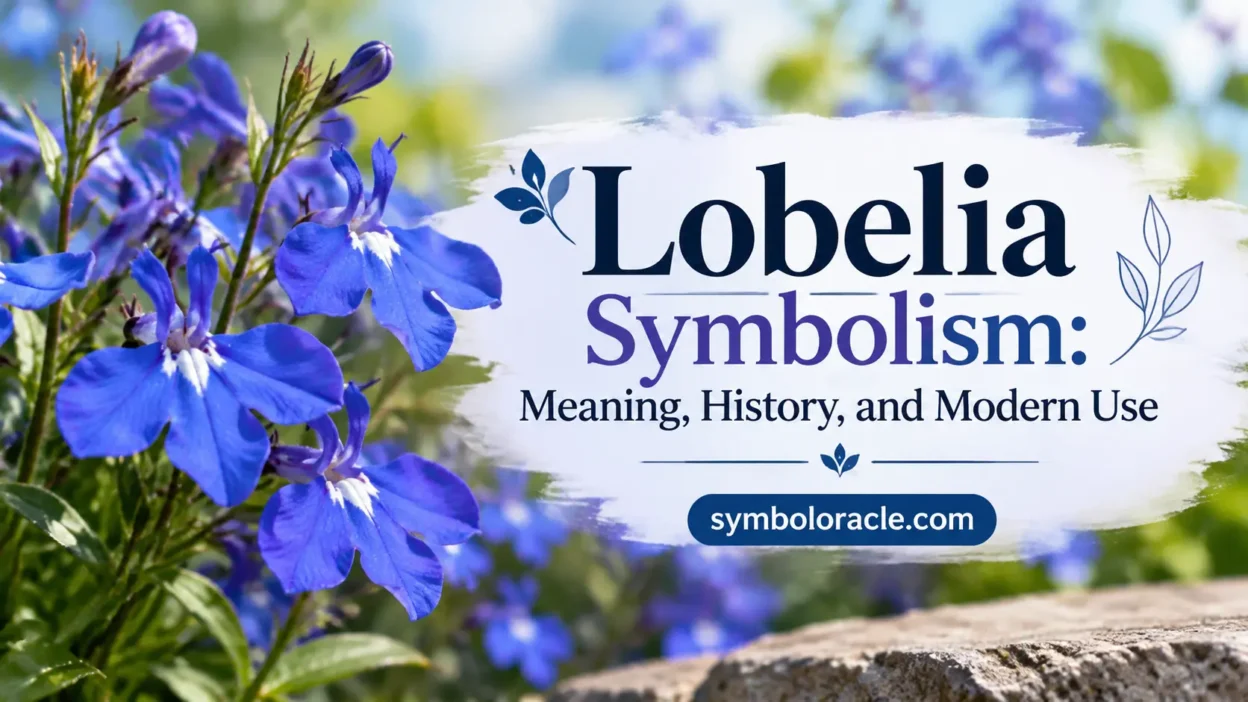
Lobelia is a small flowering plant known for its vivid blue, violet, pink, or white blossoms and its delicate appearance. Lobelia symbolism often represents calmness, devotion, compassion, and emotional expression, making the flower meaningful in gardens, personal gifts, and decorative designs.
Although lobelia is not as widely recognized as roses, lilies, or tulips, its unique color and graceful form have given it symbolic importance among gardeners, flower enthusiasts, and people who connect plants with personal emotions. In the United States, lobelia is often appreciated for its association with peaceful environments, natural beauty, and thoughtful gestures.
Understanding lobelia’s meaning requires looking beyond the flower itself. Its symbolism comes from its appearance, historical uses, cultural associations, and the feelings people attach to flowers in everyday life.
Quick Answer
Lobelia symbolism commonly represents peace, compassion, devotion, and emotional honesty in modern American culture. Historically, the flower has also been associated with healing traditions, natural beauty, and gentle expressions of care.
TL;DR
- Lobelia represents peace, compassion, and emotional connection.
- Blue lobelia is linked with calmness and trust.
- Native traditions valued lobelia for medicinal uses.
- Americans use lobelia in gardens and floral designs.
- The flower symbolizes gentle personal expression.
- Modern meanings focus on beauty and harmony.
What Is Lobelia and Why Does It Carry Symbolic Meaning?
Lobelia refers to a large group of flowering plants belonging to the genus Lobelia. These plants grow in many regions and are recognized for their small, star-shaped flowers that often appear in clusters.
One of the most familiar varieties in American gardens is the trailing lobelia, which produces masses of tiny blue flowers. Other species grow as upright plants with taller stems and brighter blossoms.
The flower’s symbolism comes partly from its visual qualities. Blue lobelia creates a sense of calm and freshness, while its delicate structure suggests humility and sensitivity. Unlike large dramatic flowers, lobelia communicates meaning through subtle beauty.
Many people associate small flowers with personal qualities such as kindness, patience, and quiet strength. Lobelia fits this interpretation because it creates impact through clusters of small blooms rather than a single large flower.
What Lobelia Commonly Means in the United States
In modern American culture, lobelia is most often connected with peaceful emotions and natural harmony. Gardeners frequently choose it for spaces designed to feel relaxing, welcoming, and balanced.
The most common symbolic associations include:
| Context | Meaning in the USA | Common Associations | Notes |
|---|---|---|---|
| Blue lobelia | Calmness and trust | Peace, stability, serenity | Often linked with relaxing garden spaces |
| Gifts | Thoughtfulness and care | Friendship, appreciation | Represents gentle emotions |
| Gardens | Harmony with nature | Balance, beauty | Popular in decorative landscapes |
| Personal symbolism | Emotional expression | Sensitivity, compassion | Chosen for quiet meanings |
| Healing traditions | Restoration and care | Natural remedies | Connected to historical plant use |
Unlike some flowers with fixed meanings in popular culture, lobelia symbolism remains flexible. Its meaning often depends on the color, setting, and personal reason someone chooses the flower.
Ancient Roots and Early Symbolism of Lobelia
Lobelia has a long relationship with human societies because many species were valued as useful plants before they became decorative flowers.
The plant was named after Belgian botanist Matthias de Lobel, who studied plants during the Renaissance period. As botanical knowledge expanded, lobelia became known in European gardens and scientific communities.
Before modern gardening popularized lobelia as an ornamental flower, some Indigenous communities in North America used certain lobelia species in traditional practices. These uses contributed to the plant’s association with care and healing.
However, historical interpretations should be viewed carefully. Different cultures used plants in different ways, and a plant’s practical use does not always create one universal symbolic meaning.
Over time, lobelia moved from being mainly recognized as a useful plant to becoming appreciated for its appearance and emotional associations.
The Meaning of Blue Lobelia and Its Color Associations
Blue lobelia is the variety most strongly connected with symbolism because blue flowers often carry specific emotional meanings.
In American flower traditions, blue commonly represents:
- Peace
- Loyalty
- Trust
- Reflection
- Emotional balance
Because lobelia flowers are often small and abundant, blue lobelia combines the calm qualities of the color with the idea of gentle persistence.
A garden filled with blue lobelia may create a feeling of quiet relaxation. This is one reason landscapers use it around pathways, borders, containers, and outdoor sitting areas.
Blue lobelia can also represent emotional openness. Its soft appearance makes it suitable for situations where someone wants to express care without using a more traditional romantic flower.
Lobelia Symbolism in American Gardens and Landscapes
Gardening is one of the strongest areas where lobelia has gained symbolic meaning in the United States.
Many Americans use flowers to shape the atmosphere of outdoor spaces. A garden is not only a collection of plants; it can represent personal values, memories, and emotions.
Lobelia is commonly planted in:
- Cottage gardens
- Hanging baskets
- Window boxes
- Pollinator-friendly spaces
- Decorative borders
Its spreading growth pattern allows it to create colorful displays without appearing overwhelming. This quality connects lobelia with ideas of cooperation, community, and natural balance.
Garden designers often use blue lobelia near water features or seating areas because its cool colors create a peaceful visual effect.
For many homeowners, planting lobelia represents a desire to create a welcoming environment where people can slow down and reconnect with nature.
Emotional and Psychological Meaning of Lobelia
Flowers often influence human emotions through color, shape, and personal memories. Lobelia’s symbolic meanings are closely connected to these psychological responses.
The flower’s gentle appearance may suggest:
- Calm communication
- Kindness without attention-seeking
- Emotional sensitivity
- Appreciation for simple beauty
Blue lobelia especially may create associations with relaxation because blue is frequently connected with open skies, water, and peaceful environments.
People who choose lobelia as a personal symbol may identify with qualities such as patience, understanding, or a preference for quiet forms of expression.
Unlike symbols associated with power or status, lobelia represents softer human experiences. It reflects the idea that small acts of care and beauty can have meaningful effects.
Lobelia in Cross-Cultural Traditions
Although lobelia does not have one universal meaning across cultures, different societies have connected the plant with practical and symbolic ideas.
In European botanical traditions, lobelia became associated with scientific study and garden cultivation after being introduced to broader botanical communities.
In some Native North American traditions, certain lobelia species were recognized for their plant properties and traditional uses. These relationships reflected knowledge of local ecosystems rather than a single symbolic interpretation.
In modern global gardening culture, lobelia is mostly valued for visual beauty, peaceful colors, and its ability to support attractive landscapes.
The flower’s meanings continue to change as people bring their own experiences and cultural backgrounds to it.
Lobelia in Tattoos and Personal Style
Flower tattoos often represent personal experiences, memories, or values, and lobelia can carry a more subtle meaning than commonly chosen flowers such as roses or lotus blossoms.
People who choose lobelia tattoos may connect with ideas such as:
- Inner calm
- Emotional honesty
- Gentleness
- Personal growth
- Appreciation for nature
Because lobelia flowers are small and detailed, they work well in minimalist tattoo designs. Some people choose a single stem, while others combine lobelia with other botanical elements such as leaves, stars, butterflies, or watercolor backgrounds.
In American tattoo culture, small flowers often represent private meanings rather than public statements. A person may choose lobelia because of a personal memory, a connection to gardening, or an appreciation for its color.
The meaning of a lobelia tattoo depends heavily on the individual. The flower does not have one fixed interpretation, but its common associations with peace and compassion often guide how people understand it.
Religious and Spiritual Interpretations of Lobelia
Lobelia does not have a major official role in most large religious traditions. Unlike flowers such as lilies, lotus flowers, or roses, it is rarely connected to specific religious stories or ceremonies.
However, flowers in general often appear in spiritual practices because they represent natural beauty, renewal, and the cycle of life. Lobelia can fit into these broader interpretations because of its connection with growth and transformation.
Some people view lobelia as a symbol of:
- Humility
- Gratitude
- Connection with nature
- Renewal after difficult periods
These meanings are personal interpretations rather than established religious teachings.
In spiritual gardens and nature-focused spaces, lobelia may be appreciated as a reminder that small forms of beauty can contribute to a larger environment.
Lobelia in Gifts, Celebrations, and Relationships
Flowers are often used to communicate emotions when words feel limited. Lobelia’s gentle appearance makes it suitable for expressing appreciation, friendship, and kindness.
In the United States, people may include lobelia in:
- Garden gifts
- Handmade floral arrangements
- Plant exchanges
- Housewarming presents
- Decorative bouquets
Because lobelia is not strongly tied to romance, it can communicate care without creating the same expectations as traditional romantic flowers.
A gift containing lobelia may suggest:
- “I appreciate you.”
- “I value your presence.”
- “I wish you peace and happiness.”
Its smaller size and delicate flowers also make it appealing to people who prefer natural, understated designs.
Modern Uses of Lobelia in Design and Culture
Today, lobelia appears most often in gardening, landscaping, and decorative design rather than mainstream symbolism.
Common modern uses include:
Garden Design
Lobelia is popular because it adds strong color while maintaining a soft appearance. Blue varieties are especially valued for creating peaceful outdoor spaces.
Home Decor
Pressed flowers, botanical artwork, and nature-inspired designs sometimes feature lobelia because of its detailed shape and calming colors.
Floral Arrangements
Although less common than roses or lilies, lobelia can add texture and contrast to informal arrangements.
Social Media and Digital Culture
Nature photography has increased interest in small flowers like lobelia. Images of blue flowers are often shared alongside themes of relaxation, gardening, and outdoor living.
Modern interpretations usually focus less on traditional flower language and more on personal connection with nature.
Lobelia Color Meanings and Symbolic Variations
Different lobelia colors can create different emotional associations.
| Lobelia Color | Symbolic Meaning | Common Interpretation |
|---|---|---|
| Blue | Peace and trust | Calm emotions and stability |
| Purple | Reflection and creativity | Imagination and individuality |
| White | Purity and simplicity | Fresh starts and clarity |
| Pink | Care and affection | Warmth and gentle connection |
| Red | Energy and passion | Stronger emotional expression |
Color symbolism is influenced by culture and personal experience. These meanings are common associations rather than universal rules.
A blue lobelia plant in a garden may communicate calmness, while a pink variety may feel more connected to affection and friendliness.
Common Misunderstandings About Lobelia Symbolism
Because flower meanings are often shared online, some symbolic claims become exaggerated or presented as universal facts.
One common misunderstanding is that every flower has a single historical meaning accepted by all cultures. In reality, plant symbolism changes depending on location, time period, and personal interpretation.
Another misunderstanding involves the relationship between traditional plant uses and symbolism. A plant may have been valued for practical reasons without automatically developing one specific symbolic meaning.
Lobelia is also sometimes discussed only in terms of mystical interpretations. While some people connect plants with spiritual ideas, lobelia’s broader cultural meaning comes mainly from gardening, appearance, and human appreciation of nature.
A balanced understanding recognizes both personal symbolism and historical context.
The Evolution of Lobelia’s Meaning Over Time
Lobelia’s meaning has changed as human relationships with plants have changed.
In earlier periods, people often valued plants primarily for their practical uses, including traditional knowledge and botanical study. As gardening became more popular, lobelia gained importance as an ornamental flower.
During the growth of home gardening in the United States, lobelia became associated with attractive outdoor spaces and peaceful environments.
Today, its symbolism is shaped by:
- Personal gardening experiences
- Environmental awareness
- Floral design trends
- Nature photography
- Individual expression
Modern meaning is less about strict flower-language rules and more about the emotions people attach to natural beauty.
Lobelia Symbolism Compared With Other Blue Flowers
Lobelia shares some meanings with other blue flowers but has its own character.
| Flower | Common Symbolism | Difference From Lobelia |
|---|---|---|
| Lobelia | Peace, compassion, calmness | Often connected with subtle beauty |
| Forget-me-not | Memory and remembrance | More strongly linked with nostalgia |
| Blue iris | Wisdom and communication | Has stronger mythological associations |
| Cornflower | Simplicity and affection | Often connected with rural traditions |
| Hydrangea | Emotion and gratitude | Usually represents larger visual presence |
Lobelia is often chosen by people who appreciate quiet symbolism rather than dramatic floral messages.
Frequently Asked Questions About Lobelia Symbolism
What does lobelia symbolize?
Lobelia commonly symbolizes peace, compassion, trust, and emotional expression. In modern American culture, it is often appreciated for its calming appearance and connection with natural beauty.
What does blue lobelia symbolize?
Blue lobelia is often associated with calmness, stability, and peaceful emotions. Its color connects it with traditional meanings linked to blue flowers, such as trust and harmony.
Is lobelia a good flower for tattoos?
Yes, lobelia can work well as a tattoo symbol because its delicate appearance allows for detailed botanical designs. Many people choose it to represent qualities like kindness, patience, and personal connection with nature.
Does lobelia have a religious meaning?
Lobelia does not have a widely recognized religious meaning in major traditions. However, some people personally interpret it as a symbol of gratitude, renewal, and connection with the natural world.
Is lobelia considered a positive symbol?
Most interpretations of lobelia are positive, focusing on peace, beauty, care, and emotional balance. However, meanings can vary depending on personal experience and cultural background.
Why do gardeners plant lobelia?
Gardeners plant lobelia because it provides colorful blooms, attracts attention in landscapes, and helps create relaxing outdoor spaces. Its appearance contributes to feelings of harmony and natural balance.
Conclusion
Lobelia represents a quieter form of floral symbolism. Its small blossoms, calming colors, and connection with gardens have helped it become associated with peace, compassion, and thoughtful expression.
Unlike flowers with long-established symbolic traditions, lobelia symbolism continues to develop through personal experiences, gardening culture, and modern appreciation of nature. In the United States, it is valued less for strict meanings and more for the emotions it creates in homes, gardens, and creative designs.
Whether planted outdoors, used in artwork, or chosen as a personal symbol, lobelia reminds people that even small elements of nature can carry meaningful connections.


