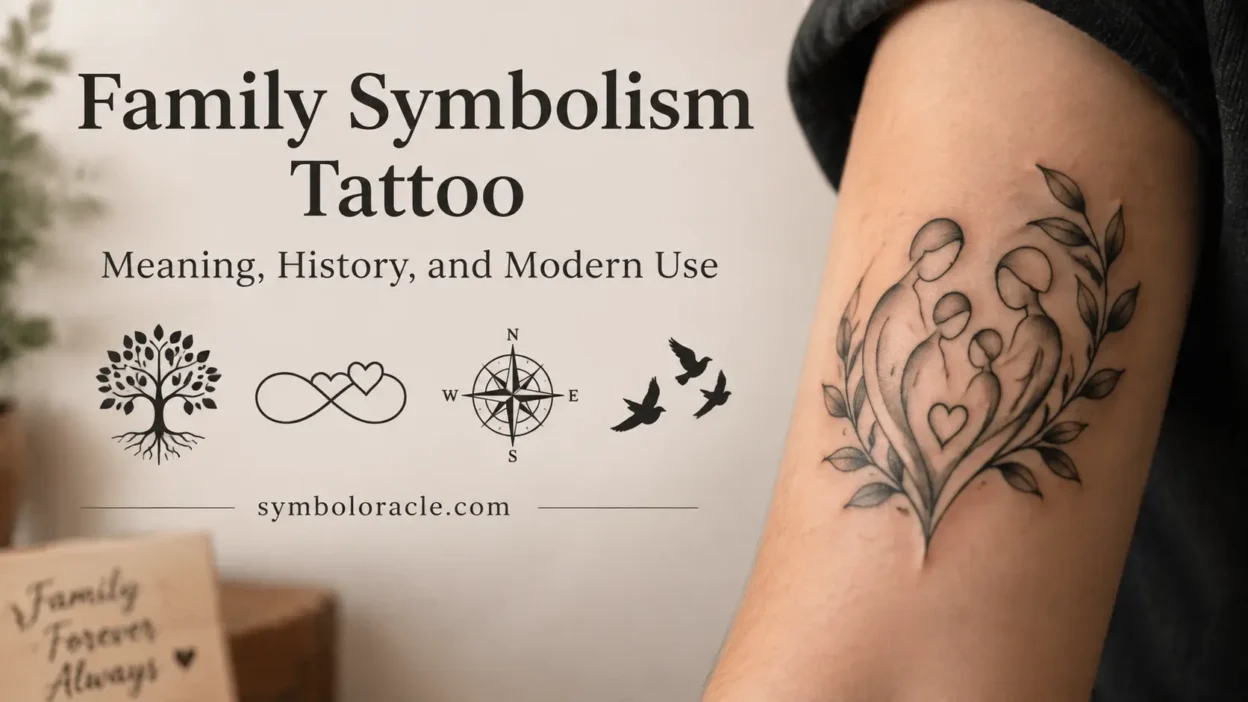
A family symbolism tattoo commonly represents love, connection, loyalty, and the lasting bond people share with their relatives. In modern American culture, these tattoos are often used to honor parents, children, siblings, partners, ancestors, or personal family stories through meaningful designs.
Family tattoos have become more than decorative body art. For many people, they act as personal reminders of important relationships, life experiences, and values passed through generations. A small name tattoo, a family tree design, birth dates, matching symbols, or cultural imagery can all communicate a person’s connection to their family.
The meaning behind these tattoos depends on the design, personal history, and cultural background of the wearer. Some people choose them to celebrate happy memories, while others use them to remember loved ones who have passed away.
Quick Answer
A family symbolism tattoo commonly symbolizes love, loyalty, protection, and emotional connection between family members in modern American culture. Historically, family symbols have appeared in traditions such as family crests, ancestral markings, and memorial practices that represented identity and belonging.
TL;DR
- Family tattoos represent love, loyalty, and connection.
- Family trees often symbolize ancestry and growth.
- Names and dates preserve personal memories.
- American tattoo culture values individual family stories.
- Memorial designs honor relatives who passed away.
- Symbols change based on personal and cultural meaning.
What Family Symbolism Tattoos Represent Today
In the United States, family symbolism tattoos are usually connected with relationships rather than a single universal meaning. The same image can represent different experiences depending on the person wearing it.
A parent may choose a tattoo showing their children’s names because it represents responsibility and unconditional love. Someone else may select a family tree because it reflects ancestry and the importance of generations.
Common meanings include:
- Love and affection
- Family loyalty
- Protection
- Personal identity
- Shared memories
- Heritage and ancestry
- Remembrance
Unlike traditional symbols with fixed definitions, family tattoos are often personal statements. The story behind the tattoo usually matters more than the image itself.
Ancient Roots of Family Symbols and Identity
The idea of representing family through symbols existed long before modern tattoo culture. Many societies used visual marks to show ancestry, belonging, and social identity.
European families historically used coats of arms and heraldic symbols to represent lineage. These designs included animals, colors, objects, and patterns that communicated family history and status.
Indigenous cultures around the world also used body markings, artwork, and traditional symbols to express community connections and ancestral relationships. These practices varied greatly between cultures and were often tied to specific beliefs and traditions.
Modern family tattoos borrow from this long human desire to show where people come from and who they belong to.
How Americans Interpret Family Tattoo Symbolism
Family is a major source of identity in American culture, and tattoos often reflect personal experiences rather than formal traditions.
Many Americans use family tattoos to mark important moments:
- The birth of a child
- A wedding or partnership
- A family reunion
- A loved one’s memory
- A connection to heritage
For some people, a tattoo becomes a permanent reminder of family values such as kindness, resilience, and support.
The meaning can also reflect changing ideas about family. Modern tattoos may represent biological relatives, adopted family members, close friends considered family, or blended families.
| Tattoo Context | Meaning in the USA | Common Associations | Notes |
|---|---|---|---|
| Family tree design | Ancestry and connection | Generations, roots, growth | Often includes names or dates |
| Names or initials | Personal bond | Love, pride, remembrance | Common for children and parents |
| Matching family tattoos | Shared connection | Unity, commitment | Often chosen by siblings or couples |
| Memorial tattoos | Keeping memories alive | Loss, respect, remembrance | May include dates or portraits |
| Cultural symbols | Heritage and identity | Traditions, background | Meaning depends on culture |
Why Family Trees Are Popular Tattoo Designs
The family tree is one of the most recognizable family symbols because it visually connects generations.
Roots often represent ancestors and history, while branches may represent children, relatives, or future generations. Leaves can symbolize individual family members growing within a larger family structure.
In American tattoo culture, family tree designs are popular because they allow people to combine several meanings into one image. A person may include names, birth years, initials, or symbols that represent specific relatives.
The tree also reflects a common idea: families change over time but remain connected.
Names, Dates, and Portrait Tattoos as Personal Memories
Names and dates are among the most direct family tattoo designs. They usually communicate a specific relationship rather than a general idea.
Examples include:
- A child’s name with a birth date
- A parent’s handwriting recreated as a tattoo
- Wedding dates
- A grandparent’s signature
- A loved one’s portrait
These tattoos often function like personal records. They preserve moments that might otherwise fade with time.
Memorial tattoos are especially meaningful for people who want to keep a connection with someone who has died. The design may include a name, date, favorite object, or phrase connected to that person.
Family Tattoos and Emotional Meaning
Family tattoos often carry strong emotional value because they connect physical appearance with personal memory.
Psychologically, symbols can help people express feelings that are difficult to communicate through words. A tattoo may represent gratitude toward parents, pride in children, or appreciation for family support.
For some individuals, a family tattoo provides a sense of continuity during major life changes. Moving away, starting a new family, or experiencing loss can increase the desire to carry a visible reminder of important relationships.
The tattoo itself does not create the relationship. Instead, it serves as a personal symbol of a bond that already exists.
Family Symbolism in Tattoo Culture and Design Choices
Modern tattoo artists create family designs in many styles. The choice of style often changes the feeling of the symbol.
Popular approaches include:
Minimalist Designs
Simple lines, small initials, and subtle symbols appeal to people who want a private reminder.
Traditional Tattoo Styles
Bold outlines, classic imagery, and strong colors connect family themes with older tattoo traditions.
Realistic Portraits
Detailed portraits focus on preserving a person’s appearance and memory.
Nature-Based Symbols
Animals, trees, flowers, and landscapes can represent family qualities such as protection, growth, or unity.
The design style becomes part of the message.
Animals and Nature Symbols Connected to Family
Many people choose animals because they represent qualities they associate with family relationships.
Common examples include:
- Wolves: often associated with pack relationships and protection
- Elephants: commonly linked with memory and family groups
- Lions: often connected with strength and guardianship
- Birds: sometimes represent freedom, connection, or family journeys
Nature symbols also appear frequently. Trees, flowers, oceans, and mountains can represent roots, stability, growth, or shared experiences.
However, these meanings are not universal. The wearer’s personal connection determines the final interpretation.
Family Symbolism in Different Cultures
Family symbols appear in many cultures, but their meanings differ.
In some Asian traditions, ancestral respect and family lineage play a major role in symbolic art. Family names, ancestors, and generational connections may receive special importance.
In many Indigenous communities, family identity can be connected with clan relationships, land, and cultural traditions. Specific symbols may carry meanings that belong only to particular groups.
European traditions often used heraldic symbols to represent family history and lineage.
Modern tattoo culture combines influences from many places, but respectful use requires understanding the original cultural meaning of symbols.
Religious and Spiritual Family Tattoo Meanings
Some family tattoos include religious imagery because faith is an important part of many families’ identities.
Examples may include:
- Crosses representing family faith
- Angels representing protection
- Religious verses connected with family values
- Symbols honoring spiritual traditions
For some people, these designs represent shared beliefs between relatives. For others, they represent personal comfort after losing someone.
Religious meanings depend on individual beliefs and community traditions.
Family Tattoos in Weddings, Parenting, and Life Events
Family tattoos are often connected with major life milestones.
Parents may celebrate children through names or symbols. Couples may choose matching tattoos to represent commitment. Siblings may select shared designs to recognize their lifelong connection.
These tattoos can mark transitions:
- Becoming a parent
- Creating a new household
- Celebrating an anniversary
- Honoring family heritage
In American culture, these designs often combine personal expression with important memories.
Common Misunderstandings About Family Tattoo Symbols
Because tattoos are personal, outsiders may misunderstand their meaning.
A symbol that appears simple may represent a complex family story. A tree may represent adoption, survival, or a specific family experience rather than general ancestry.
Another misunderstanding is assuming every family tattoo has a positive story. Some designs represent complicated relationships, healing, forgiveness, or remembering someone despite past challenges.
The meaning belongs primarily to the person who chose the tattoo.
How Family Tattoo Meanings Have Changed Over Time
Family symbolism has moved from public identity markers toward private personal expression.
In earlier societies, family symbols often showed ancestry, social position, or group membership. Today, tattoos usually focus on emotional connection and individual storytelling.
Social media has also influenced tattoo trends. People now share creative family designs worldwide, allowing ideas to spread quickly.
Despite these changes, the central idea remains similar: people use symbols to represent relationships that shape their lives.
FAQs About Family Symbolism Tattoo
What does a family symbolism tattoo mean?
A family symbolism tattoo usually represents love, connection, loyalty, and personal relationships. The exact meaning depends on the design and the story behind it.
Why do people get family tattoos?
People often choose family tattoos to celebrate relationships, remember loved ones, or show pride in their family background. Many see them as permanent reminders of important connections.
Are family tree tattoos only about ancestry?
No. Family tree tattoos can represent ancestry, but they may also symbolize growth, children, personal development, or emotional connections between relatives.
What family tattoo symbols are common in the United States?
Popular choices include names, initials, family trees, birth dates, portraits, hearts, animals, and meaningful phrases. Many designs combine several symbols into one personal image.
Do memorial family tattoos have a different meaning?
Yes. Memorial tattoos often focus on remembrance and honoring someone who has passed away. They may include dates, portraits, handwriting, or objects connected with that person.
Can a family tattoo represent chosen family?
Yes. Many modern tattoos represent chosen family, including close friends or supportive relationships that feel like family. The meaning is based on emotional connection rather than only biological ties.
Conclusion
Family symbolism tattoos represent some of the most personal forms of body art because they connect visible designs with meaningful relationships. Whether someone chooses a tree, name, animal, or memorial image, the tattoo often reflects love, identity, and memories.
A family symbolism tattoo is not defined by one universal symbol. Its meaning comes from the experiences, values, and relationships that the wearer wants to preserve.
In modern American culture, these tattoos continue to serve as personal reminders of where people come from and the connections they carry through life.


