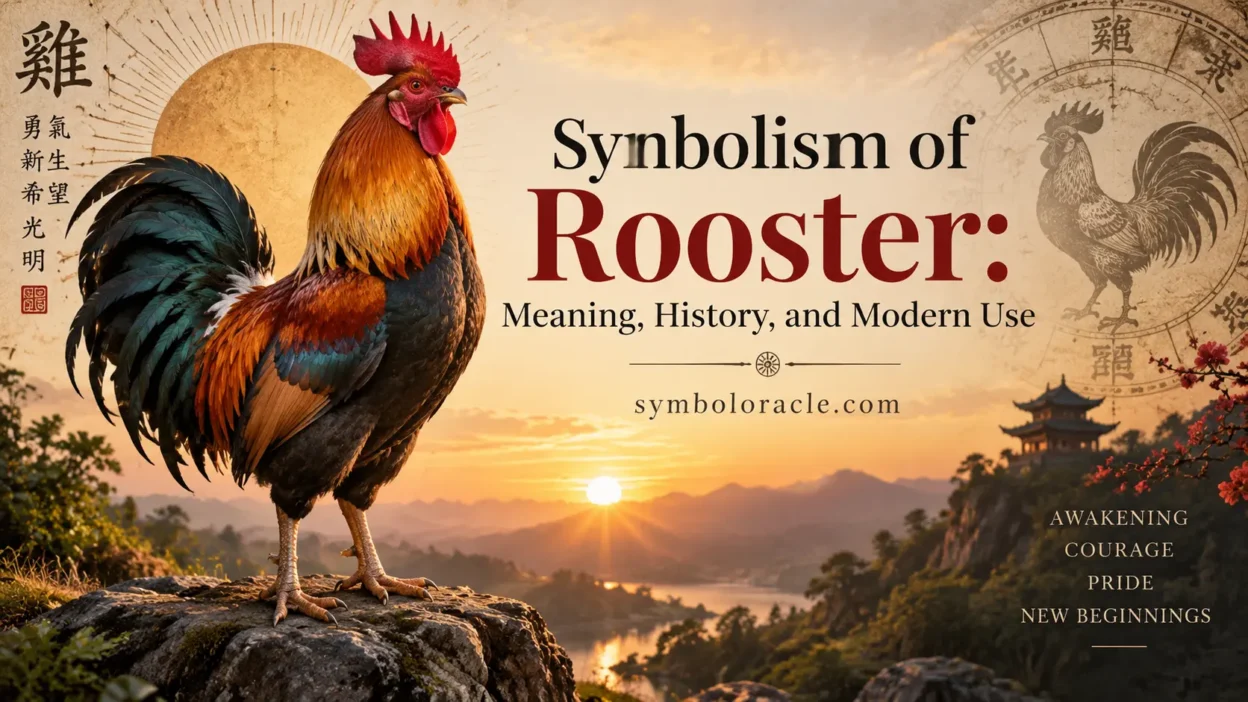
Roosters are familiar birds found on farms, in artwork, gardens, tattoos, and cultural traditions around the world. The symbolism of rooster is often connected with confidence, alertness, courage, and new beginnings because of the bird’s behavior at sunrise and its role as a protector of the flock.
For many Americans, the rooster represents qualities such as independence, leadership, and determination. While some people see it as a simple farm animal, others recognize it as a cultural symbol that appears in decorations, logos, folk art, and personal designs.
Understanding rooster symbolism requires looking at both the bird itself and the meanings people have attached to it over time. Different cultures have viewed the rooster as a sign of bravery, pride, spiritual awareness, and even warning.
Quick Answer
Symbolism of rooster commonly represents confidence, courage, awareness, and new beginnings in modern American culture, especially through farm imagery, home decor, and personal designs. Historically, roosters have also been associated with protection, leadership, sunrise, and spiritual awakening in many cultures.
TL;DR
- Roosters symbolize confidence, courage, and awareness.
- Sunrise connects roosters with renewal and fresh starts.
- Farms shaped American rooster meanings.
- Many cultures view roosters as protective symbols.
- Tattoos often represent pride and resilience.
What Does a Rooster Symbolize in the United States?
In the United States, roosters are most commonly associated with confidence, independence, and rural traditions. Their loud crow at dawn creates an image of a creature that announces the start of a new day without hesitation.
Many Americans connect roosters with farm life, especially because chickens and roosters have long been part of agricultural communities. A rooster in home decoration or artwork may suggest simplicity, self-reliance, and a connection to nature.
The rooster can also represent personal strength. Because the bird protects its flock and stands upright with a noticeable presence, people often interpret it as a symbol of leadership and courage.
Unlike symbols that depend on complicated traditions, the rooster’s meaning often comes from everyday observation. People see a bird that wakes the world each morning and confidently claims its place.
The Physical Traits That Created Rooster Symbolism
A rooster’s appearance plays an important role in how people interpret its meaning. The bird’s bright feathers, upright posture, large comb, and strong crow all contribute to its symbolic image.
The raised head and colorful appearance often suggest pride and confidence. In artwork, roosters are usually shown standing tall, which reinforces ideas of strength and self-assurance.
The rooster’s crow is another major reason behind its symbolism. Since it announces sunrise, many cultures connected it with alertness, awareness, and the transition from darkness into light.
Its role within a flock also influences its meaning. Roosters protect hens, warn against danger, and establish order, which creates associations with responsibility and guardianship.
Ancient Roots and Early Symbolism
Roosters have carried symbolic meanings for thousands of years. Ancient societies noticed the bird’s connection with sunrise and its protective behavior, leading to interpretations beyond ordinary farm life.
In ancient Mediterranean cultures, roosters were connected with gods and ideas related to courage and vigilance. The bird’s habit of crowing at dawn made it a natural symbol of the arrival of light.
In some traditions, roosters represented warriors because their behavior appeared bold and fearless. Their willingness to confront threats made them symbols of bravery.
Over time, these early meanings influenced later cultural interpretations. Although the exact meaning changed between societies, themes of courage, awareness, and renewal remained common.
Rooster Symbolism in Religion and Spiritual Traditions
The rooster appears in several religious traditions, often carrying meanings connected with awareness, repentance, or spiritual attention.
In Christianity, the rooster is especially recognized because of the biblical story involving Peter’s denial of Jesus. The rooster’s crow became associated with remembering one’s actions and recognizing personal mistakes.
Church artwork sometimes includes roosters on top of buildings, especially in certain European traditions. These weather vanes became symbols of watchfulness because the rooster faces changing winds and remains alert.
In other spiritual traditions, roosters may represent protection and the beginning of a new cycle. Their connection with sunrise makes them symbols of moving from darkness toward understanding.
Rooster Meaning in American Folk Culture
American folk culture has strongly shaped the modern meaning of the rooster. In rural communities, roosters were practical animals but also became part of storytelling, decoration, and family identity.
Rooster images frequently appear in farmhouse-style kitchens, barns, signs, and handmade crafts. These designs often communicate warmth, tradition, and appreciation for simple living.
The rooster became especially popular in country-inspired home decor because it represents a connection to agriculture and older rural lifestyles.
For many Americans, a rooster decoration is not about a specific belief. Instead, it often reflects values such as hard work, independence, and respect for traditional ways of life.
The Rooster as a Symbol of Confidence and Leadership
One of the strongest meanings connected with roosters is confidence. The bird does not quietly blend into its surroundings; it announces itself through appearance and sound.
This quality has made the rooster a symbol of people who are comfortable expressing themselves and taking responsibility.
In personal symbolism, someone may choose a rooster image because they want to represent courage, determination, or the ability to stand out.
However, confidence and arrogance are closely related ideas. The rooster can represent healthy self-belief, but some interpretations also connect it with excessive pride.
Rooster Symbolism in Different Cultures
The meaning of the rooster changes depending on cultural background, but many traditions share similar ideas about courage and protection.
| Culture or Context | Rooster Meaning | Common Association | Notes |
|---|---|---|---|
| United States | Confidence and rural values | Farms, independence | Often used in decor and folk art |
| Christianity | Awareness and reflection | Peter’s story | Represents remembering actions |
| Chinese culture | Courage and honesty | Zodiac traditions | Connected with strong character |
| Ancient cultures | Protection and sunrise | Light and renewal | Linked with dawn imagery |
In Chinese culture, the rooster is one of the animals in the zodiac system. It is often associated with confidence, responsibility, and strong communication skills.
Across different societies, the rooster frequently represents the moment when darkness ends and a new day begins.
Rooster Symbolism in Tattoos and Personal Style
Rooster tattoos often represent confidence, resilience, and individuality. People may choose this design because the bird reflects personal qualities they admire.
A rooster tattoo can symbolize overcoming challenges, staying alert, or maintaining pride during difficult situations.
Some designs use traditional farm imagery, while others combine roosters with flowers, clocks, flames, or sunrise themes to create additional meanings.
In American tattoo culture, animal designs are often chosen because they communicate personality. A rooster tattoo can suggest someone who values courage and independence.
Continue to Part 2: Modern Uses, Colors, Emotional Meaning, Controversies, Evolution, FAQs, and Conclusion.
yes
Rooster Symbolism in Home Decor and Design
Roosters remain popular in American home design, especially in farmhouse, country, and rustic styles. Their images appear on kitchen signs, paintings, fabrics, pottery, and wall decorations.
In these settings, the rooster often represents hospitality, warmth, and a connection to traditional rural life. A rooster image in a kitchen may suggest family gatherings, homemade meals, and appreciation for everyday routines.
Many people choose rooster decorations simply because they enjoy the bird’s appearance. The bright colors and recognizable shape make it an attractive design element, even for those who do not attach a deeper symbolic meaning.
Modern interior design has also changed how people view rooster imagery. Today, the symbol can represent a balance between old-fashioned charm and contemporary personal style.
The Emotional and Psychological Meaning of Roosters
Animal symbols often reflect human qualities, and roosters are commonly connected with certain personality traits. Their behavior creates associations with confidence, alertness, and determination.
People who identify with the rooster symbol may see themselves as independent, energetic, or willing to speak up. The bird’s morning crow can represent the courage to be noticed rather than staying silent.
The rooster can also represent discipline. Because it follows a natural daily rhythm and signals the beginning of the day, it is sometimes connected with routine, responsibility, and productivity.
At the same time, rooster symbolism can encourage self-reflection. Confidence becomes valuable when it is balanced with humility and awareness of others.
The Meaning of Rooster Colors in Symbolic Interpretations
The color of a rooster can influence how people interpret its symbolism. Different colors create different emotional associations in art, decoration, and personal designs.
A red rooster is often linked with energy, passion, and strength because red commonly represents action and confidence. A white rooster may suggest purity, peace, or spiritual awareness.
Black roosters are sometimes associated with mystery, protection, or transformation. Golden or yellow roosters may represent success, optimism, and prosperity.
These meanings are not universal rules. Color symbolism depends on culture, personal experience, and the purpose behind the design.
Rooster Symbolism in Modern Culture and Media
Today, roosters appear in many forms of popular culture, from sports mascots to brand logos and artistic designs. Their recognizable shape allows people to communicate ideas quickly.
The rooster’s image is often used by businesses connected with farming, food, restaurants, and local traditions. It creates feelings of authenticity and connection to natural products.
In social media and digital culture, animal symbols are often used to express personality. A rooster image may communicate confidence, humor, independence, or a connection to rural values.
The bird also appears in animation, storytelling, and creative artwork because its appearance and behavior make it easy to recognize.
Common Misunderstandings About Rooster Symbolism
Although roosters have many positive meanings, the symbol is sometimes misunderstood. One common mistake is assuming that every rooster image represents the same idea.
For example, some people connect roosters only with pride or aggression because male roosters can be territorial. However, many cultures view the bird as a protector and a sign of responsibility.
Another misunderstanding comes from separating the symbol from its cultural background. A rooster used in farmhouse decor usually represents tradition and simplicity rather than a specific spiritual belief.
Understanding the context behind the symbol helps prevent inaccurate interpretations.
Positive and Negative Associations of the Rooster Symbol
Like many symbols, the rooster has both admired and criticized qualities. Its strongest positive meanings include courage, confidence, protection, and awareness.
However, the same characteristics can have negative interpretations. Confidence can become arrogance, and leadership can become controlling behavior.
| Aspect | Positive Meaning | Negative Interpretation |
|---|---|---|
| Confidence | Self-belief and courage | Showing off or arrogance |
| Alertness | Awareness and protection | Constant suspicion |
| Leadership | Responsibility and guidance | Controlling behavior |
| Pride | Self-respect and identity | Excessive ego |
These differences show why symbols should be understood within their specific context rather than judged by one meaning alone.
How Rooster Symbolism Has Changed Over Time
The meaning of the rooster has evolved as societies changed. In agricultural communities, the bird was closely connected with daily survival, farming, and household life.
As fewer Americans became directly connected to farming, the rooster shifted from a practical animal symbol into a representation of heritage, tradition, and nostalgia.
In modern times, the rooster appears in personal expression, design, and lifestyle branding. It can represent rural roots, confidence, or appreciation for natural living.
Although its role has changed, the central ideas of awareness, courage, and renewal continue to influence how people understand the symbol.
Why People Still Connect With Rooster Symbolism Today
The rooster remains meaningful because its characteristics are easy for people to recognize. It wakes the world, protects its group, and displays confidence without hesitation.
In a modern environment where people often discuss identity and personal values, symbols like the rooster provide a simple way to express qualities someone admires.
For some Americans, the rooster represents connection to family traditions and rural history. For others, it represents personal confidence and the desire to begin each day with purpose.
Its continued popularity shows how ordinary animals can become meaningful cultural symbols.
Frequently Asked Questions About Rooster Symbolism
What does a rooster symbolize spiritually?
A rooster is often connected with awareness, protection, and renewal in spiritual interpretations. Its connection with sunrise makes it a symbol of moving from darkness into a clearer understanding.
Different religions and traditions interpret the rooster differently, so its meaning depends on cultural background and personal beliefs.
What does a rooster tattoo symbolize?
A rooster tattoo commonly represents confidence, courage, independence, and resilience. Some people choose it to express their personality or connection to traditional values.
The meaning can also change depending on added elements such as flowers, sunrise designs, or other symbols.
Is a rooster a positive symbol?
Yes, many cultures view the rooster as a positive symbol of bravery, protection, and new beginnings. However, some interpretations also connect it with pride or stubbornness.
The meaning usually depends on how and where the rooster appears.
What does a rooster symbolize in American culture?
In American culture, roosters often represent farming traditions, independence, and a connection to rural life. They are especially common in farmhouse decoration and folk-inspired artwork.
Many people see the rooster as a symbol of hard work and self-reliance.
What does a rooster represent in Christianity?
In Christianity, the rooster is associated with awareness and repentance because of the story of Peter denying Jesus before the rooster crowed.
The symbol often reminds people of reflection, responsibility, and recognizing personal mistakes.
Are rooster and chicken symbolism the same?
Roosters and chickens share some meanings related to farming and nourishment, but they are not identical symbols. Roosters are more often connected with leadership, confidence, and protection.
Chickens are more commonly associated with care, fertility, and family themes.
Conclusion
The symbolism of rooster reflects ideas that people recognize across cultures: confidence, protection, awareness, and the beginning of a new day. In the United States, the rooster is especially connected with farming traditions, home design, personal identity, and appreciation for simple values.
While its meanings have changed over time, the rooster continues to represent qualities that many people admire. Its image reminds people of courage, responsibility, and the importance of showing up with confidence each day.
From rural artwork to modern tattoos and decorations, the rooster remains a symbol that connects everyday life with larger ideas about strength and renewal.


