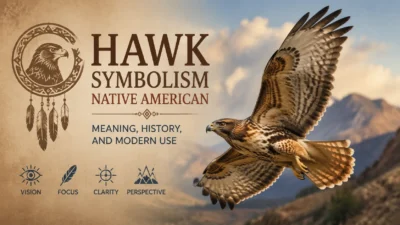

The downy woodpecker symbolism connects this small North American bird with persistence, adaptability, attention, and quiet strength. Although the downy woodpecker is one of the smallest woodpecker species in the United States, its behavior reveals qualities that many people associate with determination and resilience.
Found across forests, parks, gardens, and suburban neighborhoods, the downy woodpecker often appears in everyday settings rather than only in remote wilderness. Its familiar presence has helped it become a symbol of patience, resourcefulness, and the ability to make progress through steady effort.
For many Americans, birds carry personal and cultural meanings. Some represent freedom, transformation, or connection with nature, while others reflect specific traits observed in their behavior. The downy woodpecker stands out because it survives through careful observation, repeated effort, and cooperation with its environment.
Understanding this bird’s symbolism requires looking beyond simple spiritual interpretations. Its meaning comes from a combination of natural behavior, Indigenous perspectives, folklore, emotional associations, and modern uses in art, decoration, and personal expression.
Quick Answer
Downy woodpecker symbolism commonly represents persistence, determination, adaptability, and finding strength through patience in modern American culture. Historically, the bird has also been associated with awareness, connection to nature, and respect for the natural world.
TL;DR
- Downy woodpeckers symbolize patience and steady progress.
- Their small size represents resilience and adaptability.
- Native traditions often value woodpeckers as nature-connected beings.
- Americans associate them with backyard wildlife and balance.
- Modern uses include art, tattoos, and nature-inspired designs.
What the Downy Woodpecker Represents in Modern Culture
The downy woodpecker’s most common symbolic meaning comes from the way it lives. It is small compared with other woodpeckers, yet it confidently searches for food, protects its territory, and survives changing seasons.
This contrast between appearance and ability creates one of its strongest symbolic associations: quiet strength. The bird does not represent dominance through size or aggression. Instead, it suggests that consistent effort and awareness can overcome limitations.
Many people connect the downy woodpecker with:
- Persistence during difficult periods
- Patience when working toward goals
- Adaptability in changing environments
- Careful observation and awareness
- A closer relationship with nature
In American culture, these qualities often appeal to people who value personal growth, self-reliance, and a calm approach to challenges.
The Physical Traits That Shape Its Symbolism
The downy woodpecker is a small black-and-white bird with a short bill, white underside, spotted wings, and a distinctive pattern on its head. Males usually have a small red patch on the back of the head, while females lack this marking.
Its appearance contributes to its symbolic interpretation. The black-and-white coloring is often connected with balance and contrast, while the red marking in males can represent vitality or individuality.
The bird’s behavior also influences its meaning. Unlike larger animals that rely on physical power, the downy woodpecker uses precision. It taps tree bark repeatedly to locate insects, showing focus and persistence.
This repeated action has become a natural metaphor for progress: small actions performed consistently can create meaningful results.
Why Persistence Became the Bird’s Main Symbolic Meaning
The downy woodpecker spends much of its time searching for food by carefully examining trees and branches. It does not succeed through one dramatic action but through repeated attempts.
Because of this behavior, many people view the bird as a reminder that progress often happens gradually. Its symbolism reflects the idea that patience and discipline can be more valuable than speed.
In personal symbolism, seeing a downy woodpecker may represent:
- Continuing despite obstacles
- Trusting a slow process
- Staying focused on important goals
- Using available resources wisely
This interpretation fits modern American ideas about perseverance, where success is often connected with commitment and consistent effort.
Historical Roots of Woodpecker Symbolism
Woodpeckers have held symbolic importance in various cultures for thousands of years. Their connection with trees, forests, and seasonal changes made them noticeable figures in traditional stories and beliefs.
In ancient European folklore, woodpeckers were sometimes connected with forests, protection, and natural forces. Some traditions viewed them as birds that understood hidden parts of the landscape because of their ability to discover insects beneath tree bark.
Among Indigenous peoples of North America, birds were often understood through relationships with the natural world rather than as isolated symbols. Woodpeckers could represent qualities such as awareness, survival skills, and respect for the environment.
However, meanings varied between different nations and communities. There is no single universal Indigenous interpretation of the downy woodpecker. Symbolic meanings depended on local traditions, geography, and cultural relationships with the bird.
Downy Woodpecker Symbolism in Native American Perspectives
Many Native American cultures have developed rich relationships with birds, viewing them as important parts of creation stories, ecological knowledge, and cultural teachings. Birds may serve as reminders of responsibility, observation, and connection between humans and nature.
Woodpeckers, in general, have sometimes been respected for their relationship with trees and their ability to locate resources hidden from others. Their behavior demonstrates knowledge of the environment and careful attention.
The downy woodpecker’s smaller size may also highlight themes of humility and usefulness. It shows that even smaller creatures play important roles in maintaining natural systems.
It is important to recognize that Native American symbolism is diverse. Different nations have their own traditions, and interpretations should not be combined into one general belief system.
The Meaning of the Downy Woodpecker in the United States
In the United States, the downy woodpecker is strongly connected with everyday encounters with wildlife. Many Americans see these birds at backyard feeders, in city parks, or near wooded neighborhoods.
Because of this familiarity, the bird often symbolizes a simple connection with nature. It does not feel distant or rare; instead, it represents the idea that meaningful experiences can appear in ordinary places.
American interpretations often include:
| Context | Meaning in the USA | Common Associations | Notes |
|---|---|---|---|
| Backyard sightings | Connection with nature | Awareness, curiosity | Common suburban symbol |
| Personal growth | Persistence | Patience, effort | Based on feeding behavior |
| Art and decor | Natural balance | Forest life, simplicity | Popular nature theme |
| Tattoos | Resilience | Strength, individuality | Often chosen for personal stories |
| Wildlife conservation | Environmental respect | Habitat protection | Represents local ecosystems |
The downy woodpecker’s presence in neighborhoods also reflects growing interest in birdwatching and environmental awareness.
Emotional and Psychological Meaning of the Downy Woodpecker
The downy woodpecker often represents emotional qualities connected with patience, focus, and inner stability. Unlike symbols associated with dramatic change or overwhelming power, this bird reflects a quieter approach to personal development.
People may connect with the downy woodpecker during periods when they need encouragement to continue working toward a goal. Its repeated tapping can be viewed as a reminder that improvement often comes through small, consistent actions rather than sudden breakthroughs.
From a psychological perspective, the bird can represent:
- Resilience: continuing after setbacks instead of giving up
- Mindfulness: paying attention to surroundings and opportunities
- Confidence: recognizing that size does not determine ability
- Adaptability: adjusting to different environments and circumstances
For some individuals, seeing a downy woodpecker creates a feeling of calm because the bird represents a peaceful relationship with nature. Watching its careful movements can encourage people to slow down and notice details they might normally ignore.
The Downy Woodpecker as a Symbol of Balance and Awareness
The downy woodpecker’s behavior reflects a balance between independence and cooperation with its environment. It relies on trees for food and shelter while also contributing to the ecosystem by helping control insect populations.
This relationship has influenced symbolic interpretations of the bird as a sign of harmony with nature. It demonstrates that survival does not always require control over the environment; sometimes success comes from understanding and working within natural systems.
The bird’s black-and-white appearance also contributes to ideas of balance. In symbolic traditions, contrasting colors are often associated with opposing forces working together, such as:
- Light and dark
- Action and patience
- Individual effort and environmental connection
- Strength and gentleness
Unlike some symbols that focus on extremes, the downy woodpecker represents cooperation between different qualities.
Cross-Cultural Views of Woodpecker Symbolism
Woodpeckers appear in folklore and traditions around the world, although meanings differ widely between cultures.
In some European traditions, woodpeckers were associated with forests, protection, and natural knowledge. Their connection with trees made them symbols of the hidden life within forests and the relationship between animals and landscapes.
In parts of ancient Roman mythology, a woodpecker was linked with the figure of Picus, a legendary king associated with forests and nature. This connection helped establish the bird as a creature connected with the natural world.
Some Indigenous traditions in North America have respected woodpeckers for their relationship with trees and their ability to find resources through careful observation. These interpretations often emphasize ecological awareness rather than a single symbolic meaning.
Across cultures, common themes associated with woodpeckers include:
- Connection to forests
- Resourcefulness
- Awareness
- Protection of natural spaces
- Persistence
The specific meaning of a downy woodpecker depends greatly on cultural context and personal interpretation.
Spiritual Interpretations of the Downy Woodpecker
Spiritual interpretations of the downy woodpecker often focus on awareness, patience, and personal growth. Many modern spiritual communities view animal encounters as opportunities for reflection rather than fixed predictions.
A person who notices a downy woodpecker may interpret the experience as a reminder to:
- Pay attention to small opportunities
- Continue working toward important goals
- Stay connected with nature
- Approach challenges calmly
These interpretations are personal beliefs rather than universal meanings. Different individuals may find different messages in the same animal encounter based on their experiences and values.
The bird’s symbolism is generally associated with encouragement and observation rather than warning or fear.
Downy Woodpecker Symbolism in Tattoos and Personal Expression
Bird tattoos often represent freedom, transformation, memory, or personal identity. A downy woodpecker tattoo has a more specific meaning because of the bird’s unique characteristics.
People may choose this design to represent:
- Perseverance through hardship
- A connection to forests or outdoor life
- Appreciation for small but meaningful things
- Personal strength developed over time
- Respect for wildlife
A downy woodpecker tattoo can also honor a personal experience, such as childhood memories of seeing birds near a family home or a connection to nature.
The design may include additional elements such as:
- Tree branches representing stability
- Leaves representing growth
- Flowers representing renewal
- Forest backgrounds representing connection with the natural world
Unlike generic bird tattoos, this symbol often communicates a quieter personality: someone who values patience, observation, and steady progress.
Modern Uses in Art, Home Decor, and Design
The downy woodpecker appears frequently in nature-inspired art because it represents a familiar connection with North American wildlife.
Artists and designers use the bird in:
- Wildlife illustrations
- Garden decorations
- Educational materials
- Nature photography
- Conservation artwork
- Outdoor-themed home decor
In American homes, bird imagery often creates a feeling of warmth and connection with the outdoors. A downy woodpecker design may suggest simplicity, appreciation for local wildlife, and a peaceful environment.
The bird also appears in educational settings because it helps introduce people to biodiversity and the importance of protecting habitats.
The Role of the Downy Woodpecker in Environmental Awareness
Modern symbolism often develops from real-world concerns, and the downy woodpecker has become connected with conservation and appreciation for native species.
Because it lives in many different environments, including forests, parks, and residential areas, the bird reminds people that wildlife exists alongside human communities.
Its symbolism in environmental discussions often includes:
- Protecting natural habitats
- Supporting local ecosystems
- Respecting native species
- Observing wildlife responsibly
Birdwatching has grown as a popular hobby in the United States, and familiar birds like the downy woodpecker help people develop stronger connections with local nature.
Common Misunderstandings About Downy Woodpecker Symbolism
Animal symbolism is often interpreted in many ways, but some meanings become exaggerated or disconnected from cultural history.
One common misunderstanding is that every bird sighting has a universal message. In reality, symbolism depends on personal beliefs, cultural background, and individual experiences.
Another misunderstanding is confusing the downy woodpecker with larger woodpecker species that may have different cultural associations. While all woodpeckers share certain characteristics, each species has its own behaviors and ecological role.
Some modern interpretations also present animal symbolism as a guaranteed sign of future events. These ideas belong to personal spiritual beliefs rather than established cultural meanings.
A grounded interpretation views the downy woodpecker as a symbol inspired by observable qualities: persistence, adaptability, and connection with nature.
How Downy Woodpecker Meaning Has Changed Over Time
The meaning of the downy woodpecker has evolved as human relationships with nature have changed.
In earlier traditions, woodpeckers were often understood through mythology, folklore, and spiritual relationships with forests. Communities that depended closely on natural environments paid attention to animal behavior because it provided practical knowledge.
Today, the downy woodpecker is more commonly viewed through themes of conservation, personal reflection, and appreciation for wildlife.
The modern interpretation has shifted from explaining the bird’s role in the natural world through mythology toward recognizing its ecological importance and emotional value.
This evolution shows how symbols change with society. A bird that once appeared mainly in traditional stories can become a modern reminder of environmental responsibility and personal resilience.
Frequently Asked Questions About Downy Woodpecker Symbolism
What does a downy woodpecker symbolize?
A downy woodpecker commonly symbolizes persistence, patience, adaptability, and awareness. Its behavior represents the value of steady effort and finding solutions through observation.
Is seeing a downy woodpecker considered good luck?
Some people view seeing a downy woodpecker as a positive experience because the bird is associated with resilience and connection to nature. However, beliefs about luck vary between cultures and individuals.
What does a downy woodpecker tattoo mean?
A downy woodpecker tattoo often represents perseverance, personal growth, and a strong relationship with nature. Many people choose it to symbolize overcoming challenges through patience.
Does the downy woodpecker have Native American symbolism?
Woodpeckers appear in some Indigenous traditions, but meanings differ among Native nations. Interpretations should be understood within specific cultural contexts rather than treated as one universal belief.
Is the downy woodpecker a spiritual symbol?
Some people use the downy woodpecker as a spiritual symbol of awareness, patience, and connection with the natural world. These meanings are personal interpretations rather than fixed religious teachings.
What does the red spot on a male downy woodpecker symbolize?
Symbolically, the small red marking may be interpreted as individuality, vitality, or distinction. Biologically, it is simply a natural feature that helps identify males.
Conclusion
The downy woodpecker represents a form of strength that comes from patience, awareness, and consistent effort. Its small size does not limit its importance; instead, it highlights how quiet actions can create meaningful results.
Across American culture, nature appreciation, and personal symbolism, the bird continues to represent resilience and connection with the environment. While interpretations vary between individuals and traditions, the qualities people admire in this bird remain closely tied to its real behavior.
Understanding downy woodpecker symbolism means recognizing both the natural bird and the human meanings built around it. It serves as a reminder that progress does not always require dramatic change—sometimes it comes from steady work, careful attention, and respect for the world around us.