Light has always carried meaning because it represents something humans naturally seek: guidance, safety, knowledge, and hope. Long before electric lights existed, people relied on oil lamps to illuminate homes, temples, roads, and sacred spaces. The small flame inside an oil lamp became more than a practical tool; it became a symbol connected with wisdom, remembrance, faith, and human resilience.
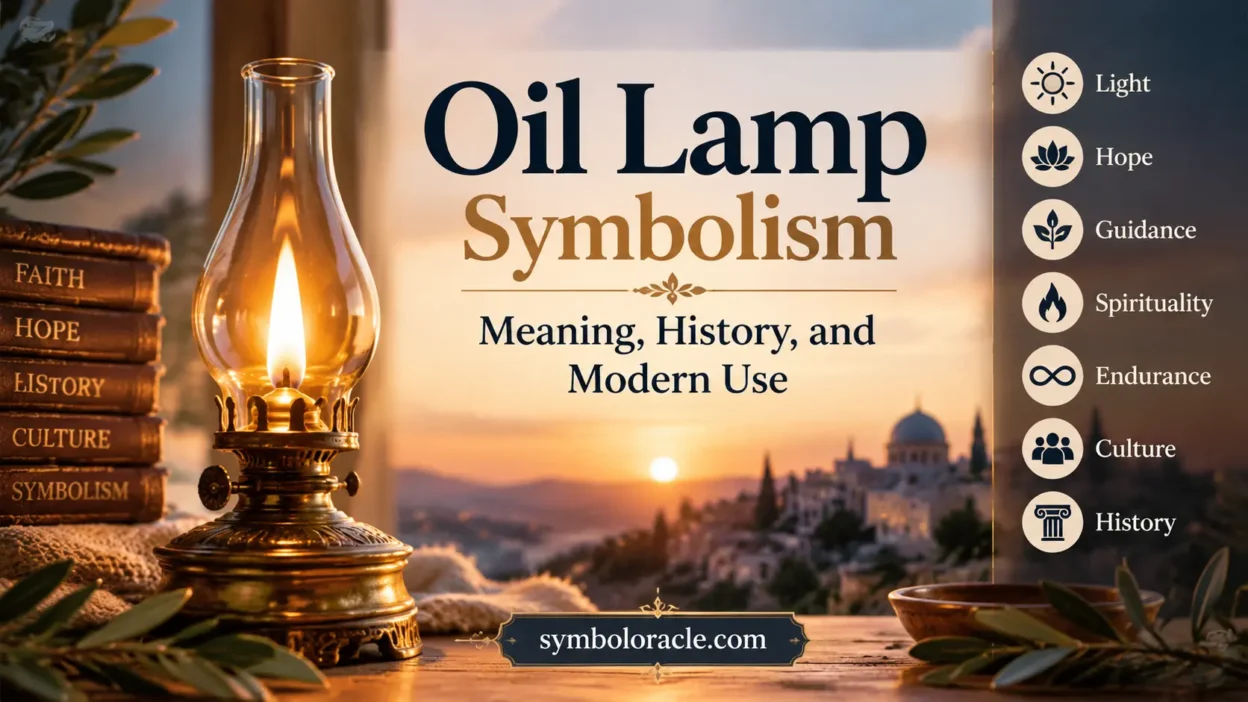
Oil lamp symbolism commonly represents guidance, knowledge, hope, and spiritual awareness in modern American culture. Historically, oil lamps have also been associated with religious devotion, hospitality, protection, and the human search for understanding.
The image of an oil lamp appears across many cultures because it connects a simple human experience — bringing light into darkness — with broader ideas about emotional and spiritual life. Today, people encounter oil lamp imagery in home decor, artwork, religious settings, tattoos, literature, and cultural traditions.
Understanding the meaning of an oil lamp requires looking beyond the flame itself. Its symbolism developed through thousands of years of human interaction with fire, ritual, storytelling, and the desire to preserve light during uncertain times.
Quick Answer
Oil lamp symbolism commonly represents guidance, wisdom, hope, and knowledge in modern American culture, especially in spiritual, artistic, and decorative contexts. Historically, oil lamps also symbolized devotion, protection, remembrance, and the spread of understanding across many cultures.
TL;DR
- Oil lamps symbolize guidance, wisdom, and hope.
- Ancient cultures connected lamps with sacred rituals.
- Americans often view lamps as comfort and remembrance.
- Religious traditions use lamps as signs of devotion.
- Modern designs use lamps for heritage and identity.
- Misuse can separate symbols from original meanings.
What an Oil Lamp Represents as a Symbol
An oil lamp is a container that holds fuel, usually oil, with a wick that produces a steady flame. Unlike modern electric lights, traditional oil lamps required preparation and care. People needed to add oil, maintain the wick, and protect the flame from wind.
This physical relationship between humans and lamps helped create symbolic meanings. A lamp was not simply something that produced light; it represented attention, responsibility, and the effort required to keep hope alive.
The most common symbolic associations include:
- Guidance: A lamp helps someone find a path through darkness.
- Knowledge: Light represents learning, awareness, and discovery.
- Hope: A small flame can represent optimism during difficult periods.
- Memory: Lamps are often used to honor people or preserve traditions.
- Spiritual devotion: Many religions use lamps during ceremonies and prayers.
Ancient Roots and Early Symbolism of Oil Lamps
Oil lamps have existed for thousands of years, with early examples appearing in ancient civilizations around the Mediterranean, Middle East, South Asia, and other regions. Before electricity, lamps were essential household objects that shaped daily life.
Ancient people often connected light with order and darkness with uncertainty. Because lamps extended activity after sunset, they became linked with safety, civilization, and human progress.
In ancient societies, oil lamps appeared in:
- homes as sources of daily light
- temples during religious ceremonies
- burial practices as symbols of remembrance
- public gatherings and celebrations
The lamp’s flame often represented continuity because it could be passed from one flame to another. This idea contributed to symbolic associations with preserving knowledge, traditions, and spiritual teachings.
Oil Lamps in Religious and Spiritual Traditions
Oil lamps hold important meanings in several religious traditions. Their symbolism often focuses on devotion, inner awareness, purity, and connection with the divine.
In many Christian traditions, lamps and candles represent spiritual light, guidance, and faith. Biblical imagery frequently uses light as a metaphor for truth and moral direction.
In Hindu traditions, oil lamps such as diyas are commonly used during festivals, prayers, and ceremonies. The flame can represent the victory of light over darkness and knowledge over ignorance.
In Buddhist practices, lamps may symbolize wisdom and enlightenment. Offering light can represent the desire to overcome confusion and develop greater understanding.
Although specific interpretations differ, many traditions share a common idea: light represents awareness and movement away from uncertainty.
What Oil Lamp Symbolism Means in the United States
In the United States, oil lamp imagery is usually understood through a combination of historical, religious, artistic, and emotional meanings.
Americans often associate oil lamps with:
| Context | Meaning in the USA | Common Associations | Notes |
|---|---|---|---|
| Home decor | Warmth and nostalgia | Comfort, heritage, simplicity | Often used for vintage styles |
| Religion | Faith and devotion | Prayer, reflection, sacred spaces | Meaning depends on tradition |
| Memorial practices | Remembrance | Honor, memory, respect | Similar ideas appear with candles |
| Literature and art | Knowledge and guidance | Discovery, wisdom | Common symbolic imagery |
| Personal style | Identity and values | Heritage, spirituality | Often appears in tattoos |
In American homes, antique oil lamps may represent connection to the past. They can remind people of earlier generations, rural life, craftsmanship, and family traditions.
In literature and visual art, an oil lamp often suggests a moment of discovery. A character holding a lamp may represent searching for answers, revealing hidden truths, or finding a way forward.
Why Light Became Connected With Knowledge and Wisdom
The connection between light and knowledge appears in many cultures because light allows people to see clearly. Darkness hides information, while illumination reveals what was previously unknown.
This idea influenced the symbolic meaning of lamps. A lamp does not create knowledge itself, but it creates the conditions needed to discover something.
Because of this association, oil lamps often appear alongside themes such as:
- education
- philosophy
- creativity
- invention
- personal growth
The image of a lamp shining in darkness became a visual way to express learning and understanding.
For this reason, oil lamps frequently appear in academic artwork, historical illustrations, and stories about discovery.
Emotional and Psychological Meaning of Oil Lamps
The symbolism of an oil lamp often connects with human emotions because light has a direct relationship with feelings of safety and comfort. A small flame in a dark room can create a sense of calm, making the lamp a natural symbol of reassurance.
Psychologically, oil lamps may represent the ability to maintain hope during uncertain situations. The flame is limited and fragile, yet it continues to provide illumination. This contrast can represent perseverance, patience, and the choice to continue moving forward despite challenges.
People may connect oil lamps with:
- Inner guidance: Finding personal direction during confusing moments.
- Peace: Creating a quiet atmosphere for reflection.
- Resilience: Maintaining strength during difficult periods.
- Connection: Remembering people, places, and traditions.
Unlike modern lighting that fills an entire space instantly, an oil lamp creates focused illumination. This quality contributes to its association with mindfulness, reflection, and intentional living.
Oil Lamps in American Holidays and Traditions
Although electric lighting dominates modern American life, oil lamp imagery still appears in certain traditions and celebrations. Its meaning often centers around remembrance, heritage, and creating a meaningful atmosphere.
During holiday seasons, antique-style lamps and lanterns are sometimes used as decorative elements because they create a connection with earlier generations. Their warm glow is often associated with family gatherings, hospitality, and historical traditions.
Oil lamp symbolism can appear in:
- Christmas and winter decorations: Representing warmth during darker months.
- Memorial settings: Connecting light with remembrance.
- Historic celebrations: Reflecting earlier American lifestyles.
- Religious gatherings: Supporting prayer and reflection.
In American culture, the lamp often carries emotional value rather than being viewed only as a religious object. Many people appreciate it as a reminder of simpler times and human connection.
Oil Lamps as Symbols of Hospitality and Protection
Before modern electricity, keeping a lamp burning could communicate welcome. A lit lamp near a doorway or inside a home suggested that visitors could find warmth and shelter.
This association created symbolic links between lamps and hospitality.
An oil lamp may represent:
- an open home
- kindness toward guests
- safety from darkness
- protection during uncertain times
The idea of a guiding light has influenced many expressions in American culture. People often describe helpful individuals as “a light” for others, reflecting the same symbolic connection between illumination and support.
Historically, travelers also depended on lights from homes, inns, and public spaces to navigate unfamiliar environments. This practical purpose helped strengthen the lamp’s association with direction and protection.
Oil Lamp Symbolism Across Different Cultures
Oil lamps appear in many cultural traditions, but their meanings vary depending on historical and religious context.
| Culture or Tradition | Symbolic Meaning | Common Use |
|---|---|---|
| Hindu traditions | Victory of light over darkness | Festivals and ceremonies |
| Buddhist traditions | Wisdom and awareness | Religious offerings |
| Christian traditions | Faith and spiritual guidance | Worship and sacred imagery |
| Ancient Mediterranean cultures | Ritual and daily life | Homes and temples |
| Modern American culture | Heritage, comfort, remembrance | Decor and personal expression |
Despite these differences, many cultures connect lamps with the idea that light helps people overcome uncertainty.
However, interpretations should be understood within their own traditions. An oil lamp used in a religious ceremony may carry meanings that differ from an antique lamp displayed as home decoration.
The Role of Oil Lamps in Art, Literature, and Storytelling
Artists and writers frequently use lamps as visual symbols because they communicate ideas quickly. A single flame can suggest knowledge, mystery, survival, or emotional change.
In literature, an oil lamp may appear during moments when a character:
- discovers important information
- searches for answers
- faces uncertainty
- enters an unfamiliar place
Historical novels often include oil lamps to create a connection with earlier periods. Their presence helps establish atmosphere while also reinforcing themes of memory and tradition.
In paintings and illustrations, a lamp’s position and brightness can influence its meaning. A lamp placed beside a person may suggest wisdom or reflection, while a lamp shining into darkness may suggest discovery or hope.
Why People Choose Oil Lamp Tattoos
Oil lamp tattoos are less common than symbols such as flowers, animals, or celestial images, but they carry meaningful personal associations for some people.
A person may choose an oil lamp tattoo to represent:
- personal growth
- knowledge gained through experience
- remembering someone important
- spiritual beliefs
- overcoming difficult periods
The design may include additional elements such as books, flames, flowers, stars, or quotes to create a more personal message.
The meaning of an oil lamp tattoo depends heavily on the individual. There is no single universal interpretation, and people often use the symbol to represent a specific life experience or value.
Oil Lamps in Modern Interior Design and Personal Spaces
Today, many people use oil lamps as decorative objects rather than primary sources of light. Their appeal often comes from their connection to history, craftsmanship, and atmosphere.
Modern interior design uses oil lamps in styles such as:
- farmhouse decor
- vintage interiors
- rustic spaces
- historical collections
- cozy reading areas
An antique oil lamp can suggest warmth and authenticity. It may remind people of handmade objects, family heirlooms, or earlier ways of living.
In contemporary homes, the lamp’s symbolic role is often emotional rather than practical. People may display one because it represents comfort, tradition, or appreciation for the past.
Common Misunderstandings About Oil Lamp Symbolism
Because symbols can travel across cultures, their meanings are sometimes simplified or misunderstood.
One common misunderstanding is assuming every oil lamp represents the same spiritual idea. In reality, meanings differ between religious traditions, historical periods, and personal interpretations.
Another misunderstanding is treating oil lamps only as symbols of ancient life. While they have historical importance, modern people also use lamp imagery to express personal values such as learning, memory, and creativity.
Some online discussions may attach exaggerated meanings to symbols without cultural or historical support. Understanding the original context helps separate genuine tradition from modern invention.
How Oil Lamp Symbolism Has Changed Over Time
The meaning of oil lamps has evolved alongside human technology. When lamps were necessary for survival, they represented practical safety and daily life. After electricity became common, their symbolic importance became more focused on emotion, history, and culture.
The transition from necessity to symbolism changed how people view oil lamps.
Earlier meanings:
- survival after sunset
- household protection
- practical guidance
Modern meanings:
- nostalgia
- wisdom
- personal identity
- spiritual reflection
This change shows how everyday objects can gain new meanings as societies develop. The oil lamp moved from being a basic tool to becoming a cultural symbol connected with memory and human experience.
Modern Uses of Oil Lamp Symbolism
Today, oil lamp imagery appears in many areas of American culture.
Common modern uses include:
Home decoration:
People use lamps to create vintage or traditional environments.
Artwork:
Artists use lamps to communicate themes of discovery, history, and reflection.
Personal expression:
Tattoos and jewelry may use lamp designs to represent individual beliefs.
Religious settings:
Some communities continue traditional lamp practices during ceremonies.
Digital culture:
Lamp illustrations and icons may represent ideas such as learning, creativity, and inspiration.
Even when people no longer depend on oil lamps for lighting, the symbol continues because its meanings remain connected with universal human experiences.
Frequently Asked Questions About Oil Lamp Symbolism
What does an oil lamp symbolize?
An oil lamp commonly symbolizes guidance, wisdom, hope, and knowledge. Its meaning comes from the practical role of providing light and the cultural idea that illumination represents understanding.
What does an oil lamp symbolize spiritually?
Spiritually, an oil lamp may represent devotion, awareness, inner guidance, and connection with the divine. Different religions interpret lamp imagery according to their own traditions and practices.
What does an oil lamp tattoo mean?
An oil lamp tattoo can represent personal growth, remembrance, learning, or overcoming challenges. The meaning depends on the person’s experiences and the additional elements included in the design.
Why are oil lamps used in religious traditions?
Oil lamps are used in some religious traditions because light is often associated with purity, wisdom, faith, and spiritual awareness. The flame can represent moving from confusion toward understanding.
Are oil lamps considered symbols of hope?
Yes, many people view oil lamps as symbols of hope because a small flame can continue shining in darkness. This idea appears in many cultural and artistic interpretations.
What is the difference between an oil lamp and a candle symbol?
Both represent light, but oil lamps often carry stronger associations with history, tradition, and continuity because they were essential household objects for many generations. Candles are more commonly connected with celebration, prayer, and remembrance.
Conclusion
Oil lamps began as practical tools that helped people live after sunset, but their meaning expanded into ideas about guidance, knowledge, faith, memory, and resilience. Across cultures, the image of a flame pushing back darkness has remained connected with human efforts to understand, remember, and continue forward.
In modern America, oil lamp symbolism is often understood through heritage, personal reflection, religious traditions, and artistic expression. Whether displayed as decor, used in ceremonies, or chosen as a personal symbol, the oil lamp continues to represent the human desire for light, direction, and connection.
The lasting appeal of the oil lamp comes from a simple idea: even a small source of light can change how people experience darkness.


